Why handmade touches change a home office
I have rearranged my home office more times than I can count. Each time, I notice how much the desk and walls decide whether the room wears you down or keeps you going.
Clutter creeps in quickly around the main work zones, and it can make even a tidy room feel off. Swapping a few generic pieces for handmade ones made my long hours there feel far less like a chore.
The ideas below blend everyday materials into layers that give an office character without taking it over. A simple wall hanging transformed my space, so try one or two like it in yours.
1. Warm Wooden Desk with a Leather Chair
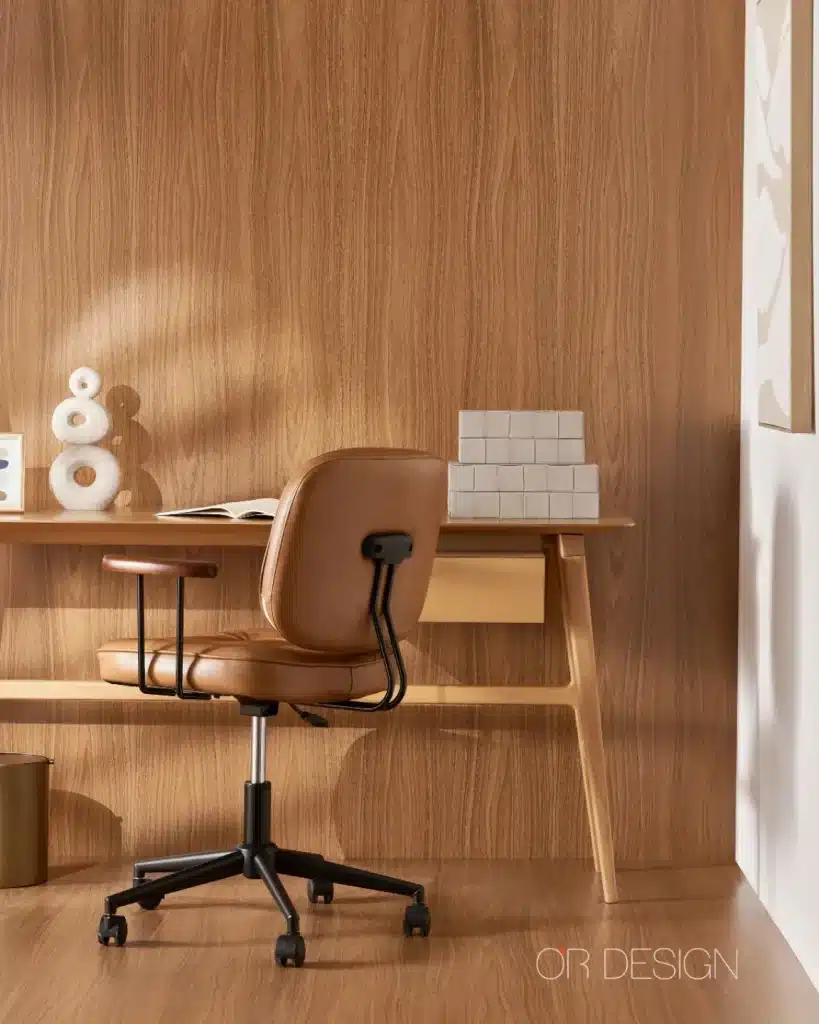
A solid wooden desk brings real warmth to a home office. Pair it with a leather chair on wheels and long workdays feel less stiff. Natural wood tones blend easily with most wall finishes and stay grounded without effort. A light oak finish on tapered legs gives a steady, timeless look against plain walls and wood floors, with room left for papers and storage.
You can find a similar desk at most furniture stores, or thrift one and refinish it yourself. Secondhand shops are a good hunting ground, and you can also build a simple version. Place it by a window for good light and add a couple of plants nearby. It suits small corners, apartments and tight spaces in older homes. Make sure the chair fits your height, keep the top clear for daily use, and keep a basket nearby for rolled blueprints.
2. DIY Office Mood Board Wall
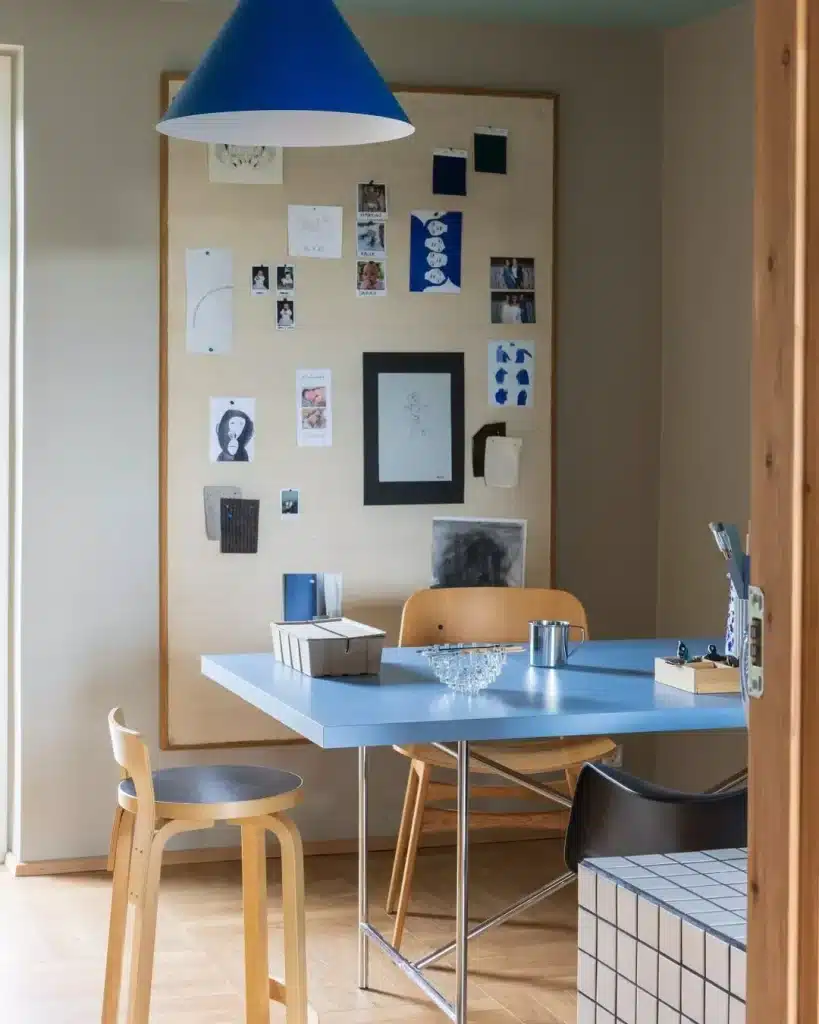
A mood board wall keeps your creative ideas front and center. Pin fabric swatches, color cards, sketches and notes right above your desk. It turns empty wall space into a practical area that sparks work with little effort.
This setup fits tight corners or any simple desk area. Use push pins on plain paint, and pull from samples you already own. It works in most homes, especially if you value function over fuss. Swap the items out as your projects change.
3. Hairpin-Leg Desk
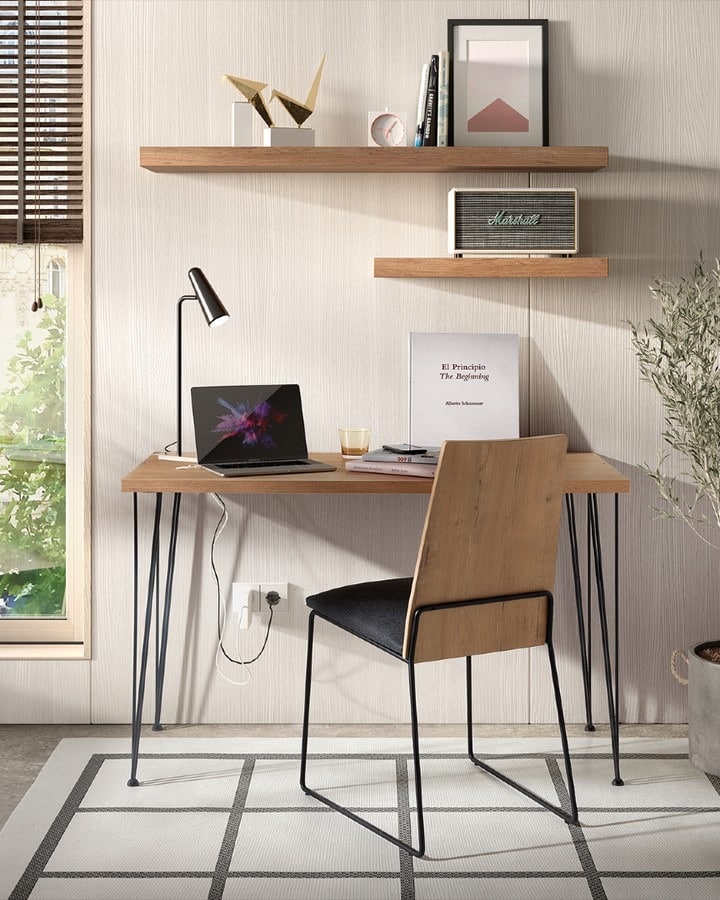
A wooden desktop on slim black hairpin legs makes a home office feel open and current. The natural wood warms up a gray corner room, while the metal legs add just enough edge without weighing the space down. It is an easy way to update old furniture or start fresh.
Screw the legs onto any flat wood surface, such as a thrifted door slab or an inexpensive tabletop. It works best in tight spots near a window, paired with a cushy rattan chair. Keep the shelves above simple, add a plant or a lamp, and avoid bulky pieces around it.
4. Macramé Plant Hanger by the Desk
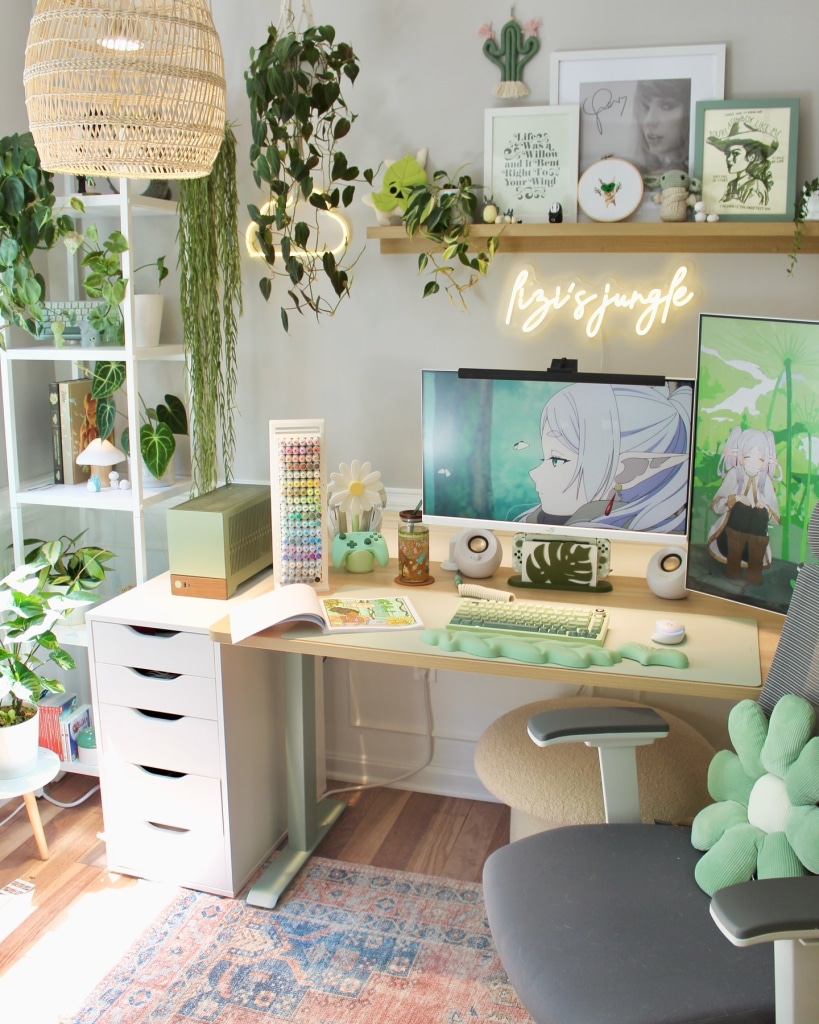
A handmade macramé hanger turns empty air beside your desk into a leafy focal point. The knotted cotton cord adds texture and a handmade feel, and lifting the plant off the work surface keeps the desk clear. It suits small offices because it uses vertical space instead of floor or desktop room.
You can knot one yourself in an afternoon with a few lengths of cotton cord and a wooden ring. Choose a lightweight pot and a trailing plant such as pothos, and hang it where it gets bright, indirect light. Screw a sturdy hook into a ceiling joist, and keep the hanger clear of your head and monitor. If you rent and cannot drill, use a tension rod or a wall hook rated for the weight.
5. Rope-Wrapped Cans and Baskets
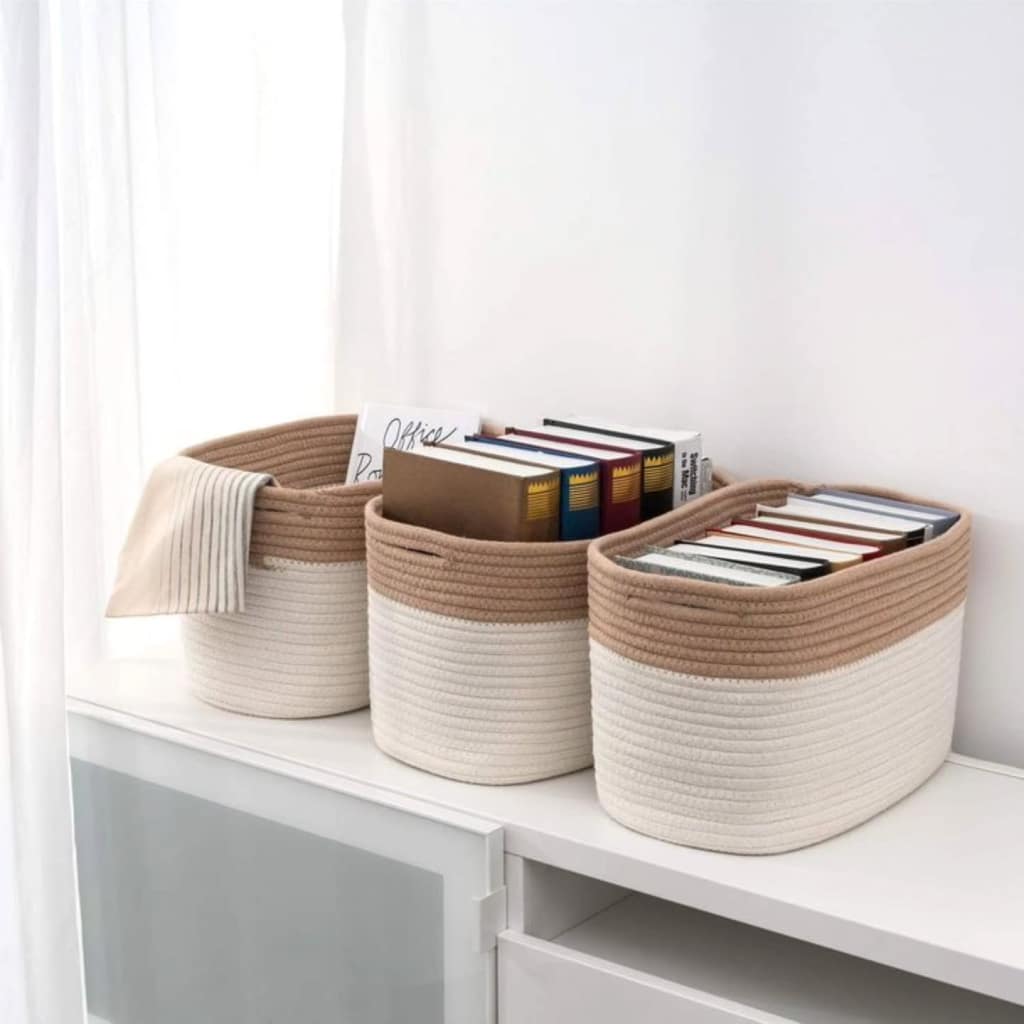
Wrapping plain cotton rope around cans and baskets turns everyday containers into handmade desk storage. The coiled texture adds warmth and a crafted look, and the finished pieces hold pens, scissors and cables.
Gather a few empty tin cans or inexpensive baskets, then glue the rope around them in tight coils from the bottom up. Tuck the end in neatly and let the glue set fully. Make sure the cans have no sharp edges before you start. Group several sizes on a shelf or the corner of your desk. The project costs almost nothing and suits kitchens, nooks and small desks.
6. White Desk with a Wood Top
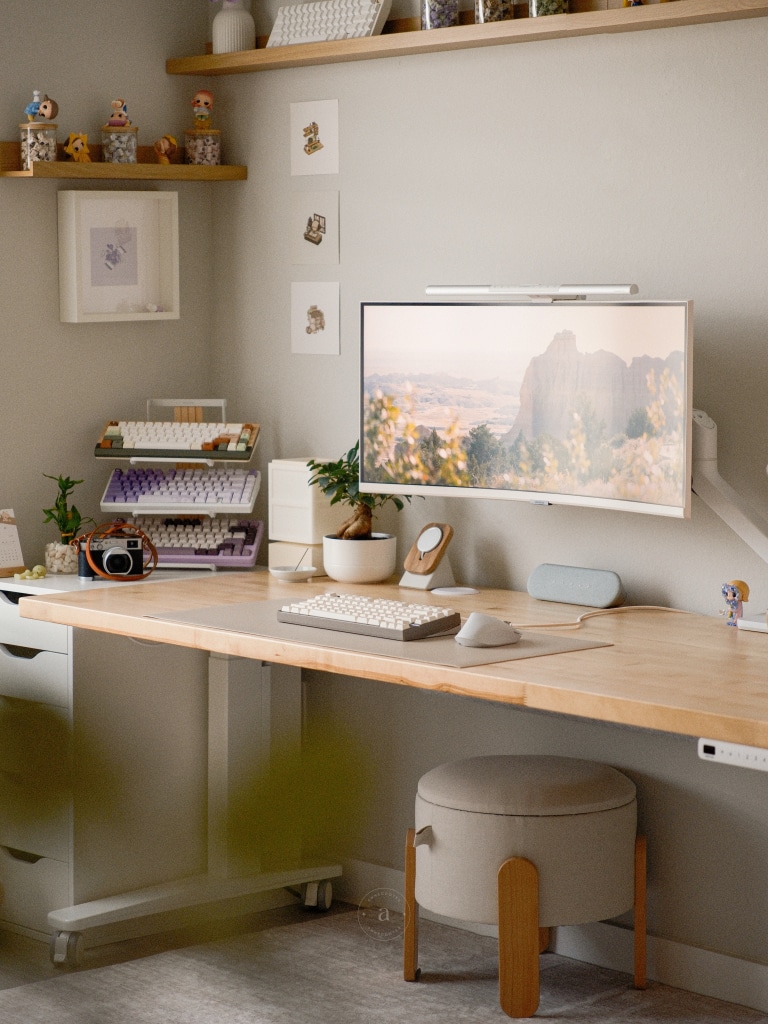
A plain white desk gets much warmer when you swap in a wood top such as oak or butcher block. The light wood pairs nicely with the white base and legs, keeping the workspace bright while adding real coziness. DIY fans love it because it is cheap and changes the whole mood.
Buy an affordable white desk from a big-box store, or thrift one. Cut a wood slab to fit, or have the home center do it. Seal it well so coffee spills do not ruin it. It works great in small corners and apartments, and a woven mat under your keyboard adds texture. Watch the scale, though, because a top that is too large crowds the room.
7. Attic Office with a Skylight
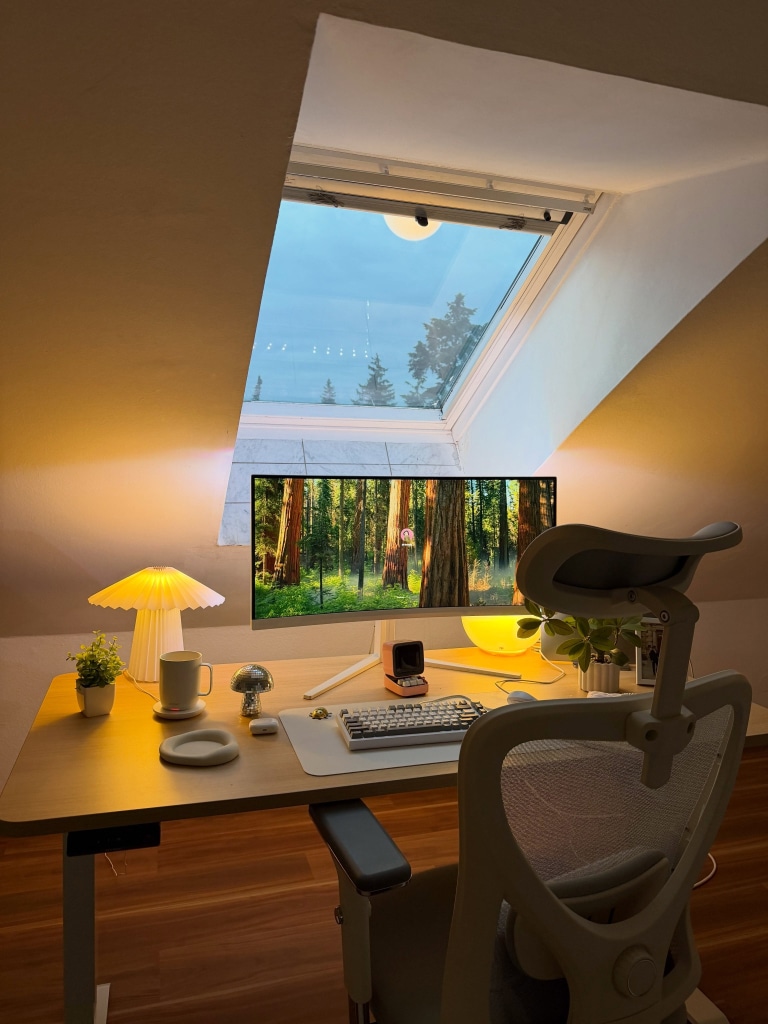
A skylight in a sloped ceiling does wonders for a small home office. Positioned over the desk, it draws in daylight that lands on the concrete tabletop and keeps the whole space feeling open. No more dim attic corners.
This works best in homes with extra roof space. Add one during a renovation if you can, or imitate the effect with bright LED panels. Light-colored walls help bounce the light around, and simple wood shelves give the room a grounded look.
8. Air-Dry Clay Pen Holders
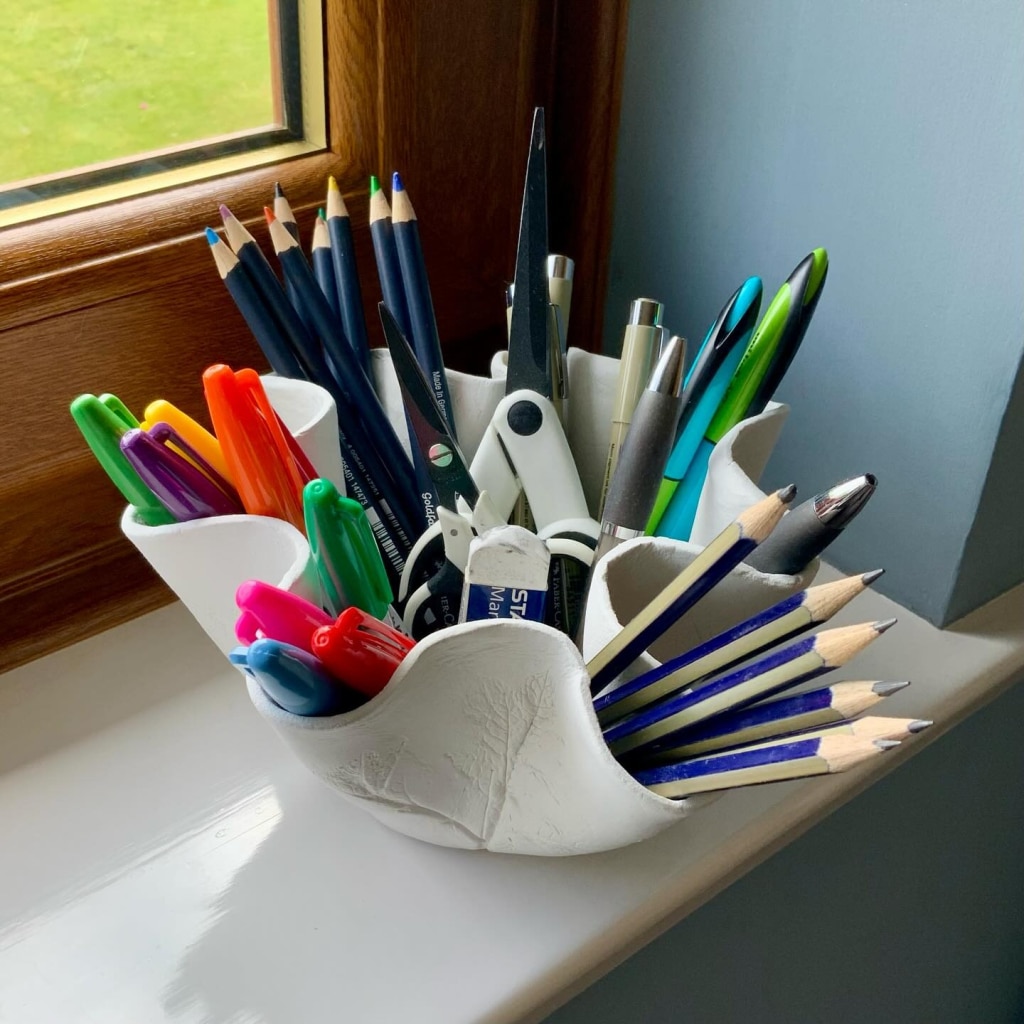
Pen holders shaped by hand from air-dry clay add a personal, artisan touch to your desk. Their matte, unglazed finish and slightly uneven edges look handmade in the best way.
Roll out the clay, press it around a small jar or cup to shape it, and smooth the edges with a damp finger. Let it dry for a day or two, then seal it with a clear finish if you want extra strength. Make a few in different heights for pens, brushes and scissors. It is a beginner-friendly project that needs only clay and a little water.
9. Wooden Crates for Desk Storage
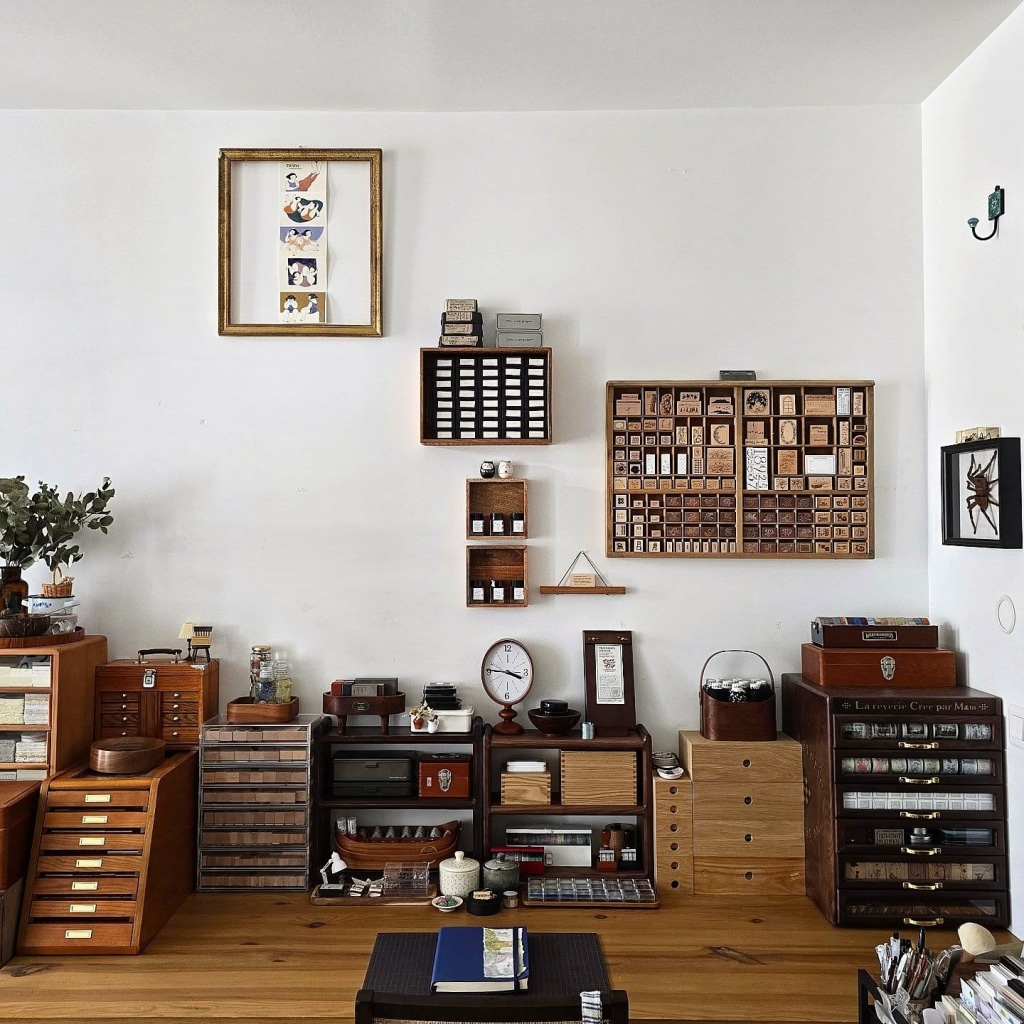
Stacking wooden crates on your desk is an easy way to tidy up. They hold pens, notes and odds and ends without using drawer space. The natural wood tone matches the desk, so everything stays handy yet out of the way.
Pick up inexpensive crates from a craft store, or repurpose old ones with a quick sand and stain. They work best on wooden or light desks in smaller rooms. Avoid very deep crates, which crowd your workspace. They fit well in a casual home office such as a spare bedroom.
10. DIY Pegboard Desk Organizer
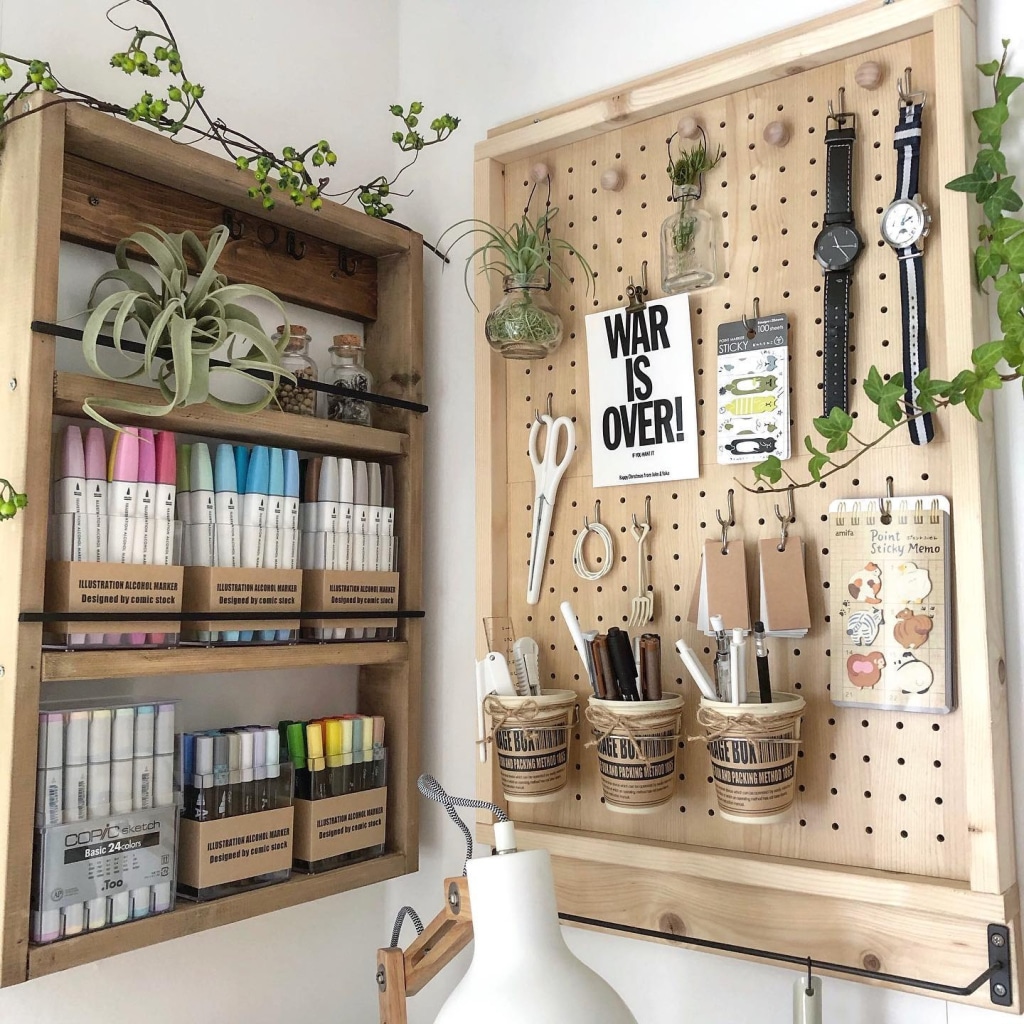
A wooden pegboard mounted beside or behind your desk keeps tools, notes and small supplies in view and off the surface. Hooks, small shelves and baskets can be moved around as your needs change.
Cut a pegboard panel to size, frame it with wood strips for a finished look, and mount it with sturdy screws. Add hooks for headphones and scissors, plus small shelves for notebooks. Plan the layout on the floor before you hang anything. It fits small corners and kids’ study areas, and takes about an afternoon.
11. Rustic Open Shelves above the Desk
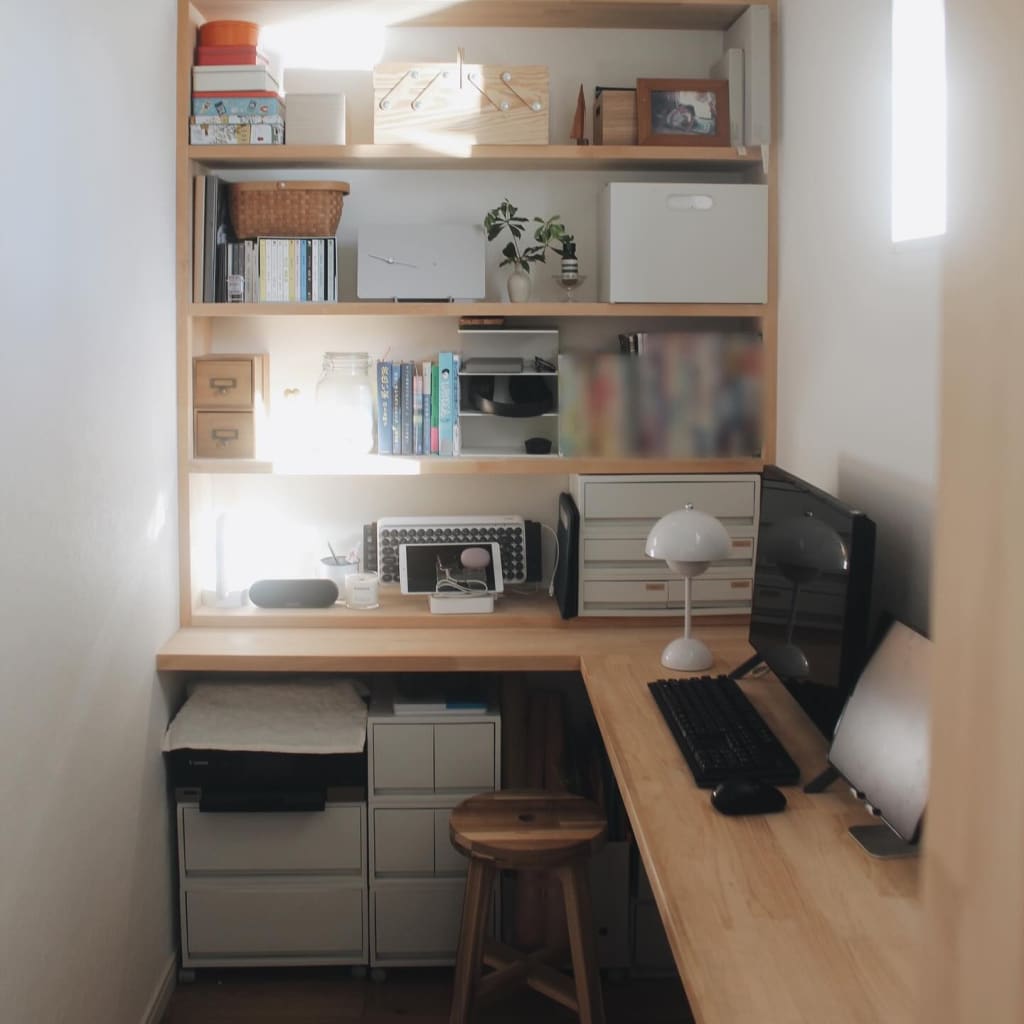
Open wooden shelves above the workspace add storage and style. Fill them with jars in different colors and sizes, or with black shelves holding books, white vases and stacked notebooks. When the wood tone matches the desk below, it keeps white walls from feeling empty. It is practical because you can see everything at a glance, and the setup looks put together.
This works best in a small nook or corner office. Mount the shelves on brackets for an easy DIY job, and place them at eye level so reference books are within reach. Fill jars with pens, clips or even snacks, and label them for a neat touch. Mix in a plant or two, and keep heavy items off the shelves in favor of light decor. Wipe them down now and then, or skip the idea if your room gets very dusty.
12. Desk Nook with Trailing Ivy
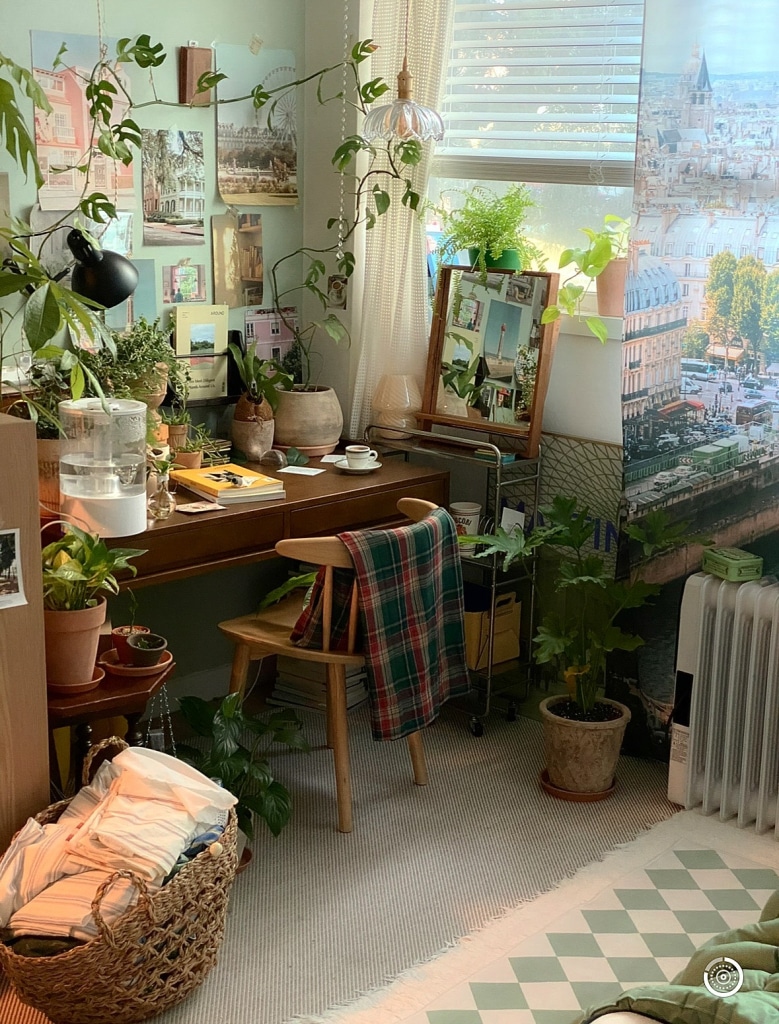
Draping a trailing plant over the desk edge makes a small workspace feel more alive. Ivy spilling from a basket onto a speckled desktop brings in green without using extra room. It also softens metal stool and table legs, so the spot looks less stark and more like a cozy corner you want to use.
This suits tight spaces such as a hallway or bedroom alcove where you need a quick office. Use a low console or side table, and add a sturdy plant hanger or simply let the vines hang free. Give the plant some indirect light, and pair it with simple storage such as a wicker basket underneath. Avoid heavy pots, since they could tip things over.
13. Reclaimed Pallet Wood Accent Wall
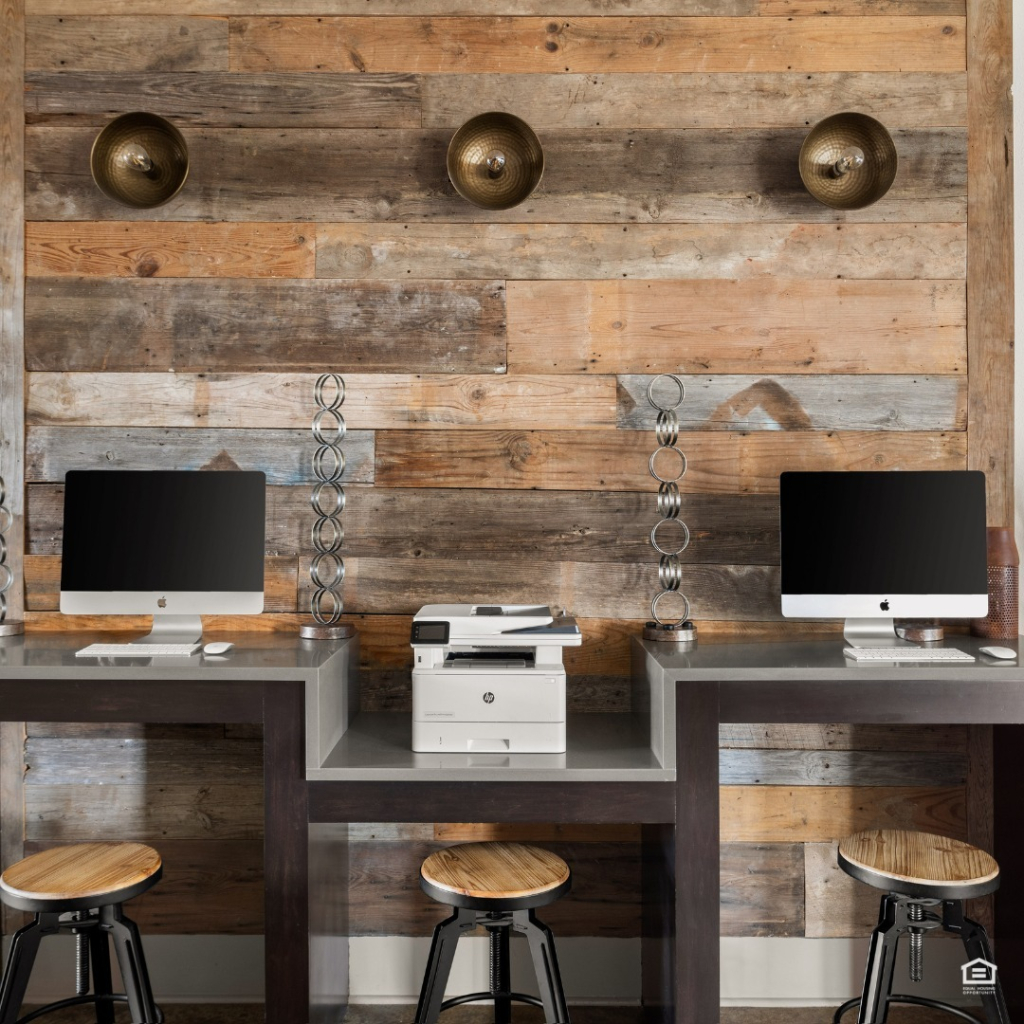
Panels of reclaimed pallet wood give a home office texture and rustic warmth. The grain and slight variations in every board make the wall look one of a kind.
Sand the boards well, remove any nails and cut them to length. Mount them horizontally on a plain wall with construction adhesive or screws, staggering the joints. Seal the surface to prevent splinters. It works best in a small nook or behind the desk, where a single wall is enough. Add a floating shelf or pinboard on top to make it functional.
14. Wooden Desk Hutch for Storage
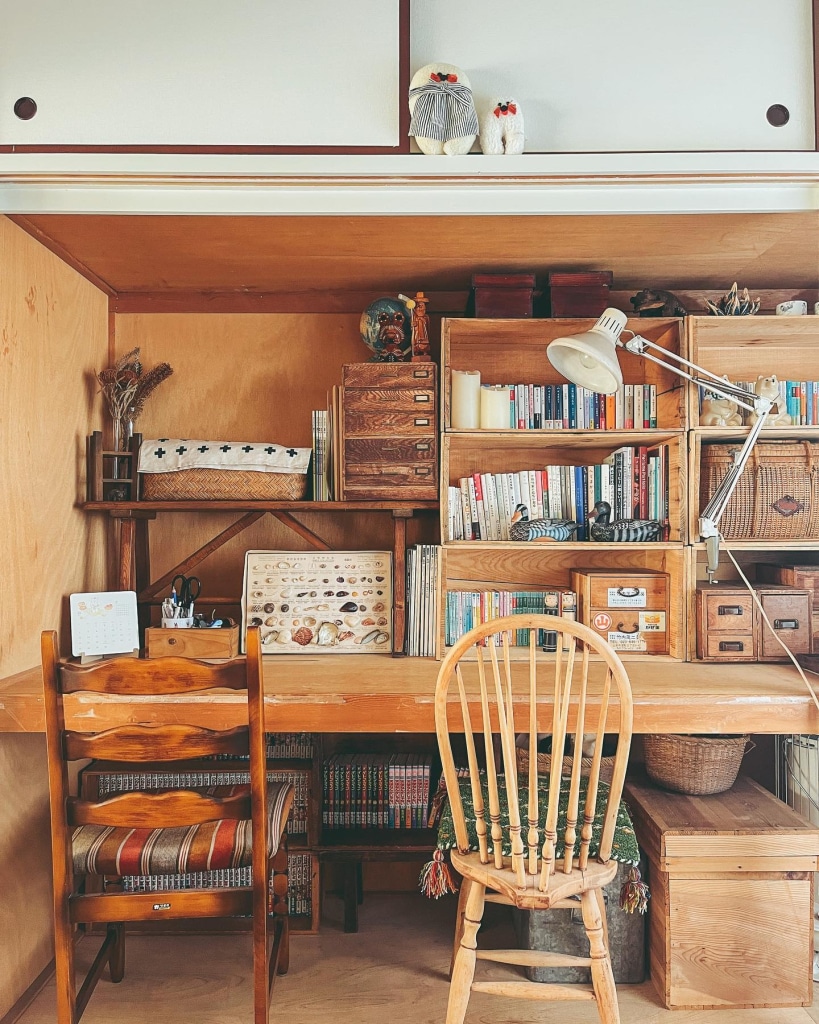
A wooden desk with an open hutch on top turns a simple workspace into something practical. Stack brass boxes or bins inside for papers, pens and small items. The shelves keep clutter off the desk surface, and the wood adds warmth without much effort.
Look for mid-century style desks at thrift stores and secondhand sites. Clean them with oil, or paint them for a fresh look. Add a plant and a few books to the shelves. It fits well in smaller rooms and corners. Just avoid overloading the top.
15. Workbench with Bucket Storage
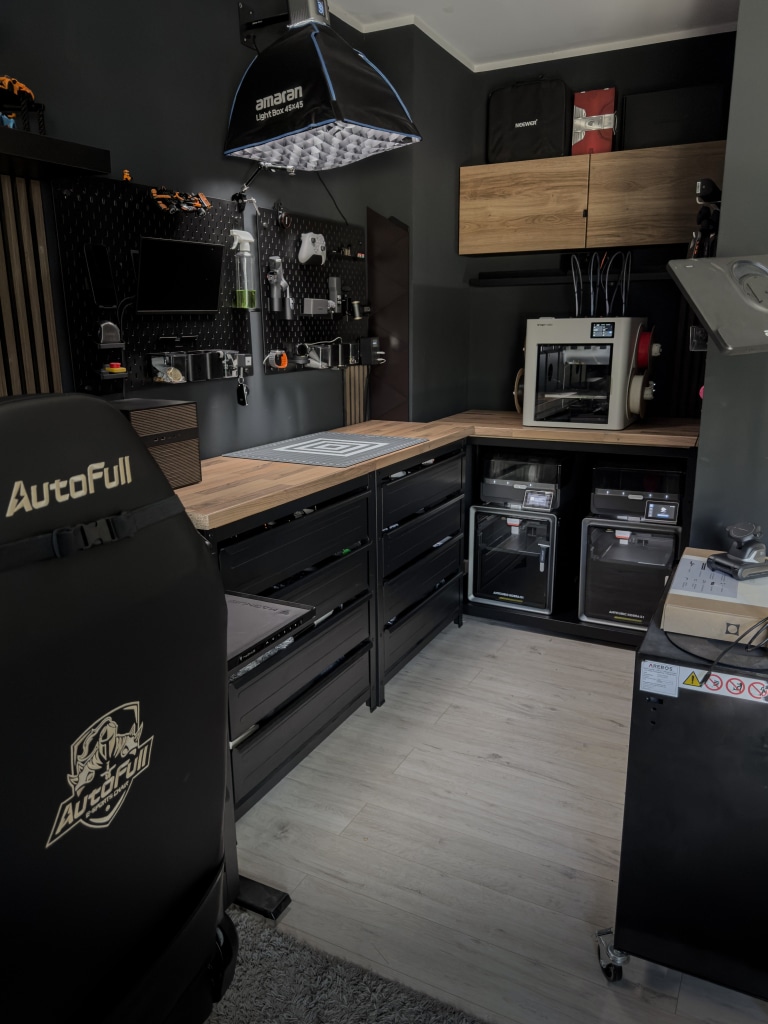
A solid workbench makes a practical focal point in a home office. It pairs a butcher-block top with a sturdy black metal frame that handles daily use. Shelves below hold galvanized buckets for papers, tools or craft supplies. This built-in storage keeps the surface clear, so there is no more digging through drawers.
It is especially handy in a casual workspace such as a basement or garage. Buy affordable metal buckets at a farm store, mount them on simple wood shelves beneath a DIY table, and you have organized storage with a relaxed feel. It works best where function matters more than fancy.
16. Pinboard Gallery Wall
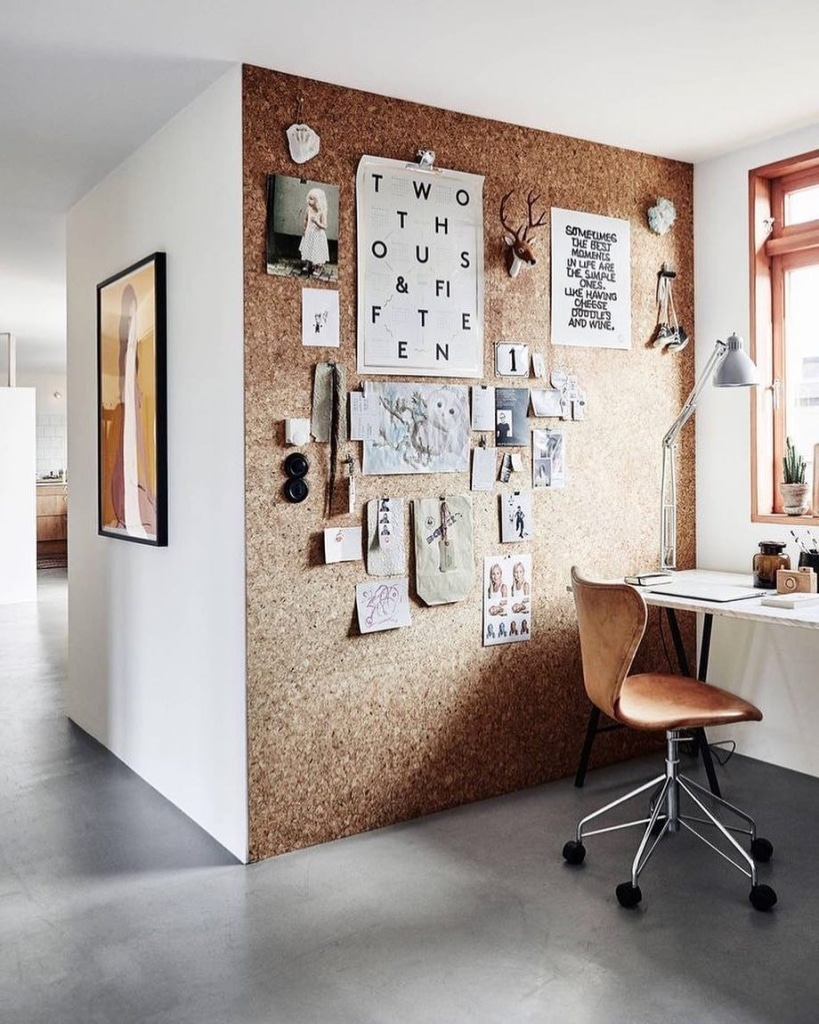
Covering a section of wall with a big pinboard makes a home office feel like yours. Fill it with photos, old posters and small mementos. It turns blank space above your desk into something personal. No fancy framing is needed, only pins and whatever you have on hand.
Hang it where you sit most, such as above a simple glass-top desk. It works in small corners or bigger rooms. Buy an inexpensive corkboard at the hardware store, or make one from plywood and fabric. Keep it full but not crowded. It is also good for renters, since it comes down cleanly.
17. Corner Desk with Floating Shelves
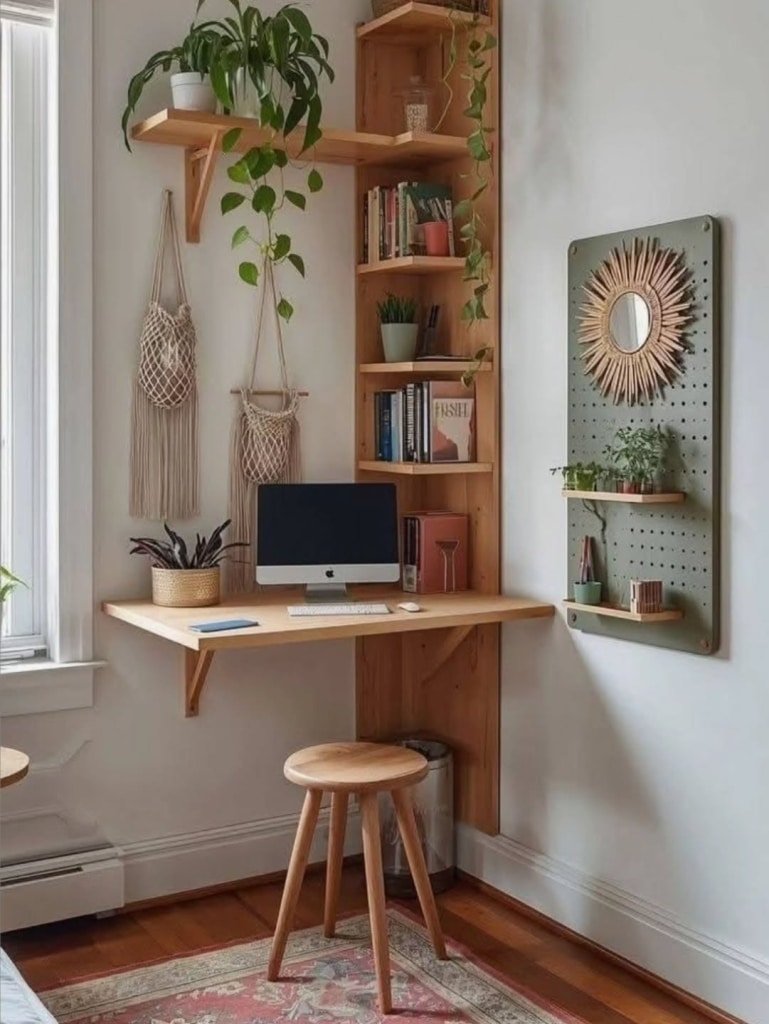
A simple corner desk with wooden floating shelves makes a practical place to work from home. Light wood tones keep things warm and open, even in a tight space. The shelves hold notebooks, cups and small tools right above the desk, turning an unused corner into something useful without taking much room.
This setup suits apartments and small homes that need a dedicated office area. Use affordable pine or oak boards for the shelves, and mount them securely into wall studs. Choose a narrow desk that fits snugly underneath, and add a plant for a touch of green. Make sure the lighting is good, such as a slim wall light, so you do not strain your eyes.
18. Open Metal Shelves for File Storage
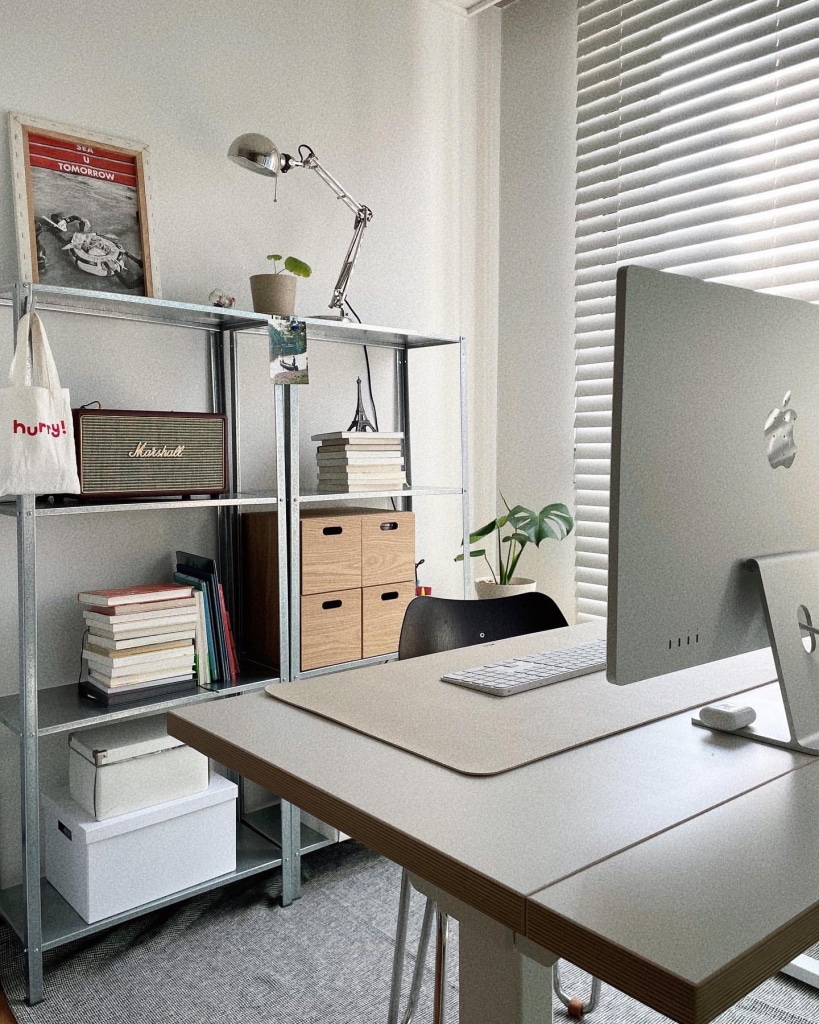
Simple metal shelving holds your boxes and files right where you need them, with no fancy cabinets required. It lines up with raw brick walls and keeps the space feeling open instead of cluttered. A big wood desk stays the focus while everything else remains within reach.
These shelves suit any home office, including a spare room or basement corner. Pick up pipe-style units at a hardware store and bolt them to the wall. Stack the boxes tightly but leave room to grab what you need. Make sure the units are level so nothing tips.
19. DIY Cardboard File Organizers

Sturdy cardboard boxes cut into file holders keep papers and notes upright on your desk at almost no cost. Wrapped in plain paper or fabric, they look tidy and handmade.
Cut cereal or shipping boxes at an angle, glue the pieces together and cover them. Add an extra layer of cardboard to the base so the holder stays upright. Label the fronts for bills, projects or homework. It suits casual home offices and study nooks, where you want function without fuss.
20. Desk under the Stairs
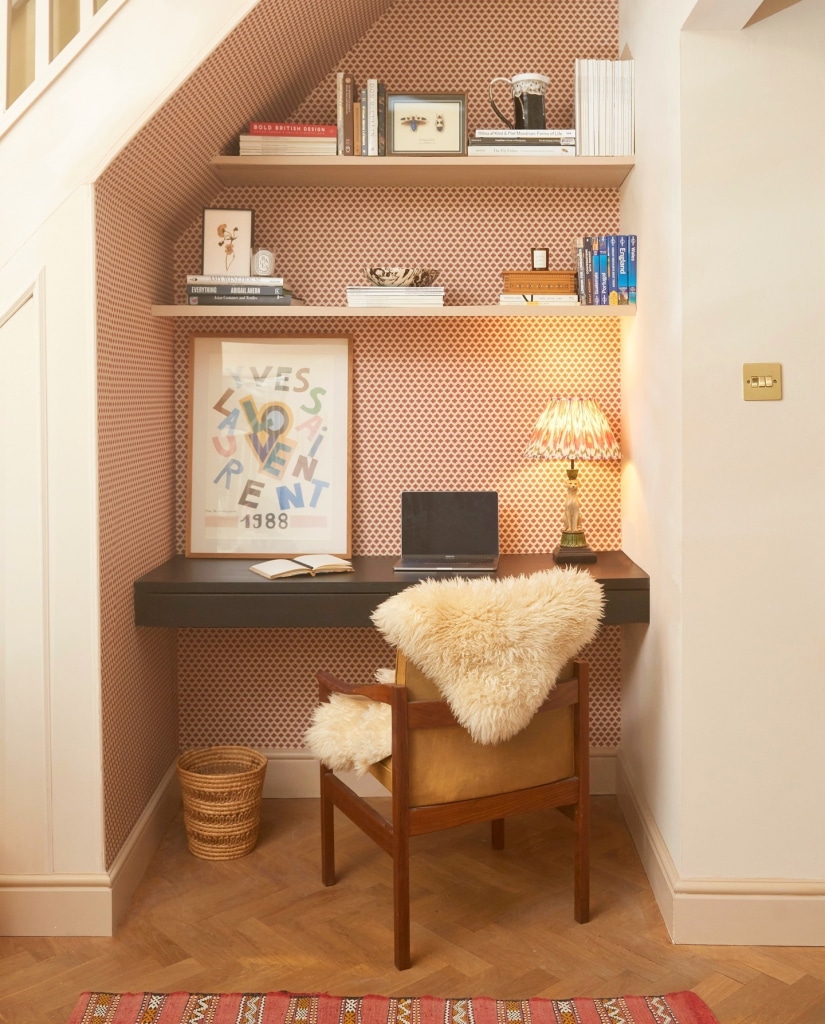
A simple floating desk tucked under the stairs turns wasted space into a real workspace. It stays compact without feeling squeezed. An oak shelf matches the steps nicely, and a sheepskin chair adds a soft spot to sit.
This works best in small homes and lofts where every corner counts. Measure your headroom first, mount a sturdy shelf at elbow height, and pull up a chair that slides in easily. Add a lamp for evenings. The setup is practical and stays out of the way.
21. DIY Wooden Monitor Stand with Storage
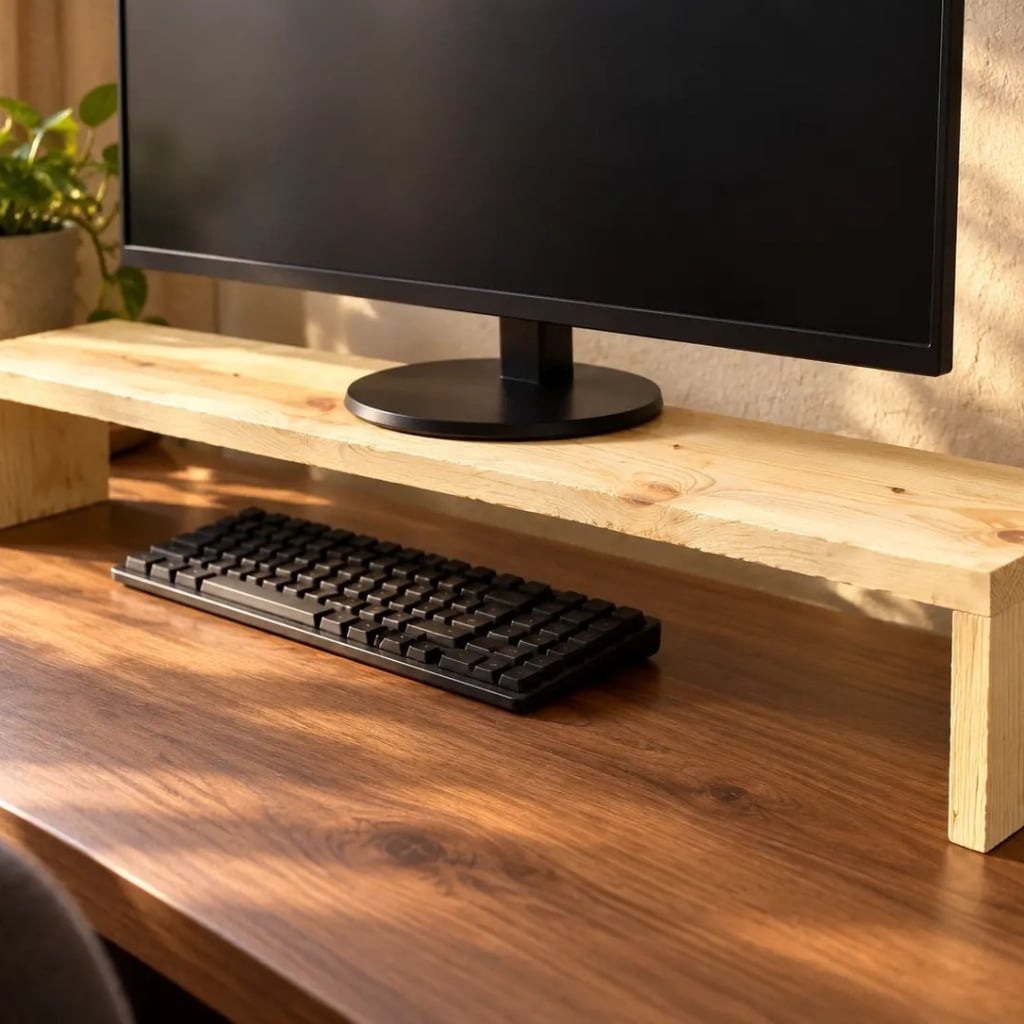
A simple wooden stand lifts your screen to eye level and creates a shelf underneath for notebooks, a keyboard or small bins. Making it yourself lets you fit the size to your desk exactly.
Cut a plank to the width of your monitor, attach two side boards or sturdy blocks as legs, and sand every edge. Seal the wood so it handles daily use. Keep the height low enough that the screen sits comfortably at eye level. It suits tight desks and spare-room offices, and takes an afternoon.
Frequently asked questions
I am not crafty at all. Can beginners really do these? Yes. Start with easy projects, such as spray-painting old frames or taping up washi patterns. You only need scissors, tape and items from your junk drawer. Practice on scraps first to ease any nerves.
How long do these projects take? Quick wins, like stringing lights or decoupaging a mug, take about 20 minutes. Larger ones, such as building a pegboard organizer, fill an afternoon. Choose based on your schedule and complete one each week.
Where can I find cheap supplies? Search your garage for jars, cans and scrap wood. Visit a dollar store for paint, string and stickers. You can also reuse printer paper scraps for custom labels.
My office is tiny. Which ideas fit best? Use wall space with floating shelves or macrame planters, and skip anything that sits heavily on the floor. These choices open up the room right away.


No Comments