Tiny offices often hold more potential than they show. A few easy changes, such as wall-mounted shelves, a desk that folds flat, or cords tucked out of sight, can turn a cramped corner into a cozy, efficient workspace. None of it has to be complicated or costly, so read on for ideas that may change how you see your room.
1. Pick the Right Spot First
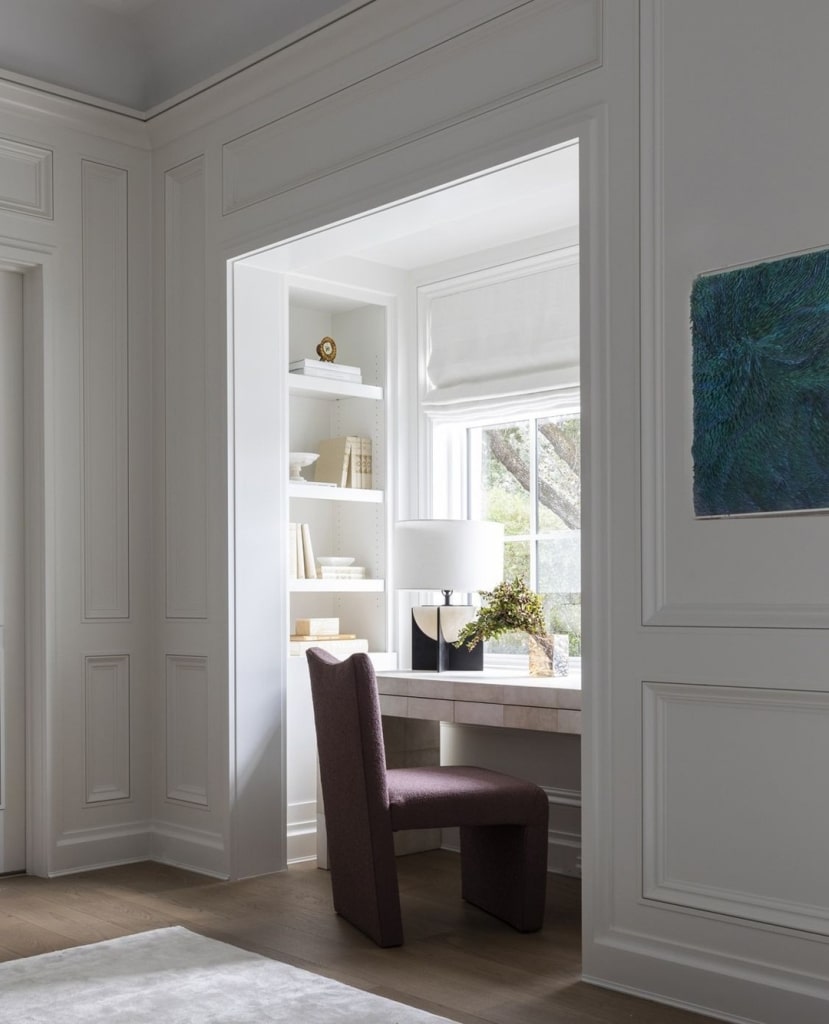
Look for places most people ignore, like corners, closets, and alcoves. Choose one near a window so daylight lifts your mood and cuts your need for lamps. Check that the area is private and safe, with nearby outlets and a strong Wi-Fi signal.
2. Build Upward with DIY Shelves and Wall Organizers
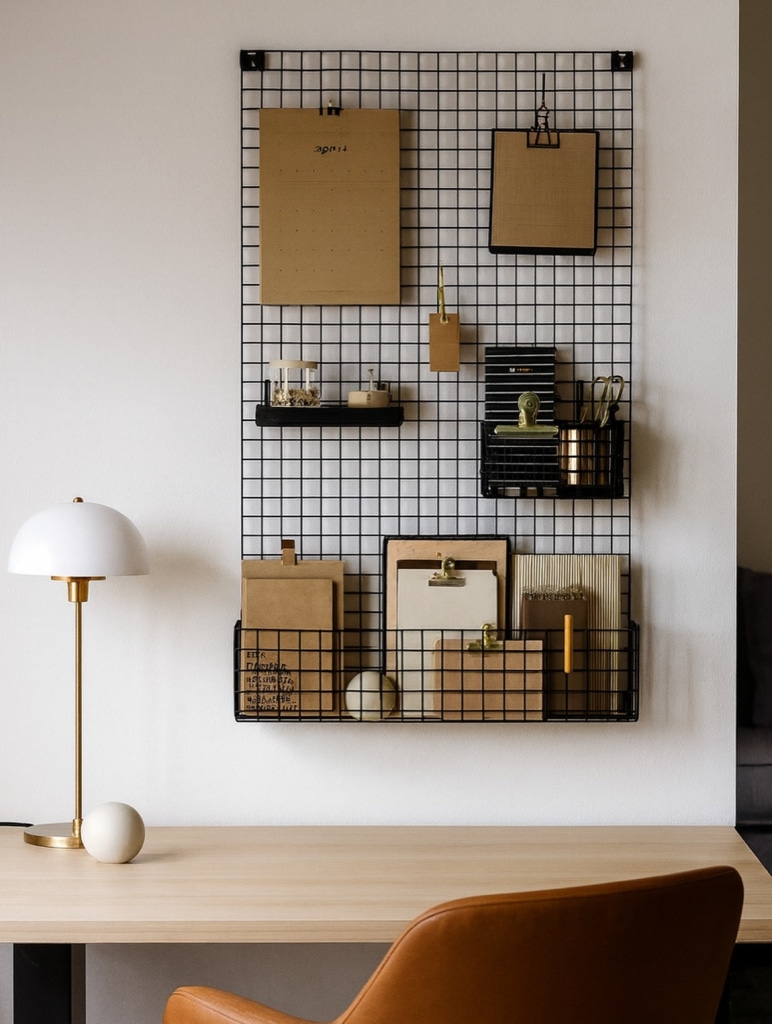
When floor space runs short, use the height of your walls. Floating shelves are simple and secure to install, and they keep your desk clear. Add wall organizers or a pegboard for supplies, and run shelves as high as 8 feet for extra storage.
3. Make a Compact Desk That Does More
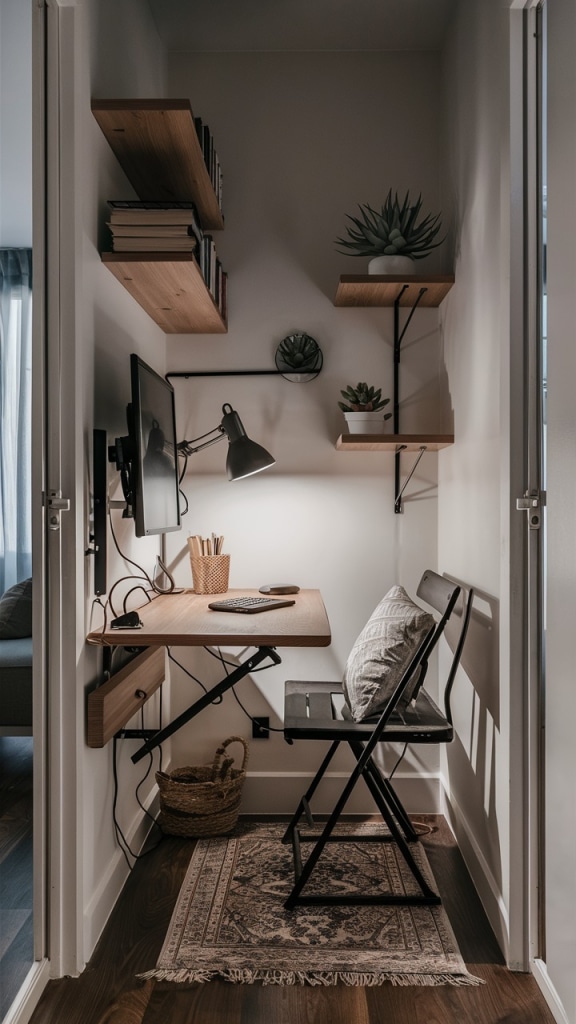
Cut a plywood or MDF top into a simple rectangle for a sturdy, low-cost work surface. Attach fold-down brackets so it tucks away when you finish, and add shelves or drawers below using repurposed containers. Size the height and width to suit you.
4. Convert Dead Corners and Nooks into Workstations
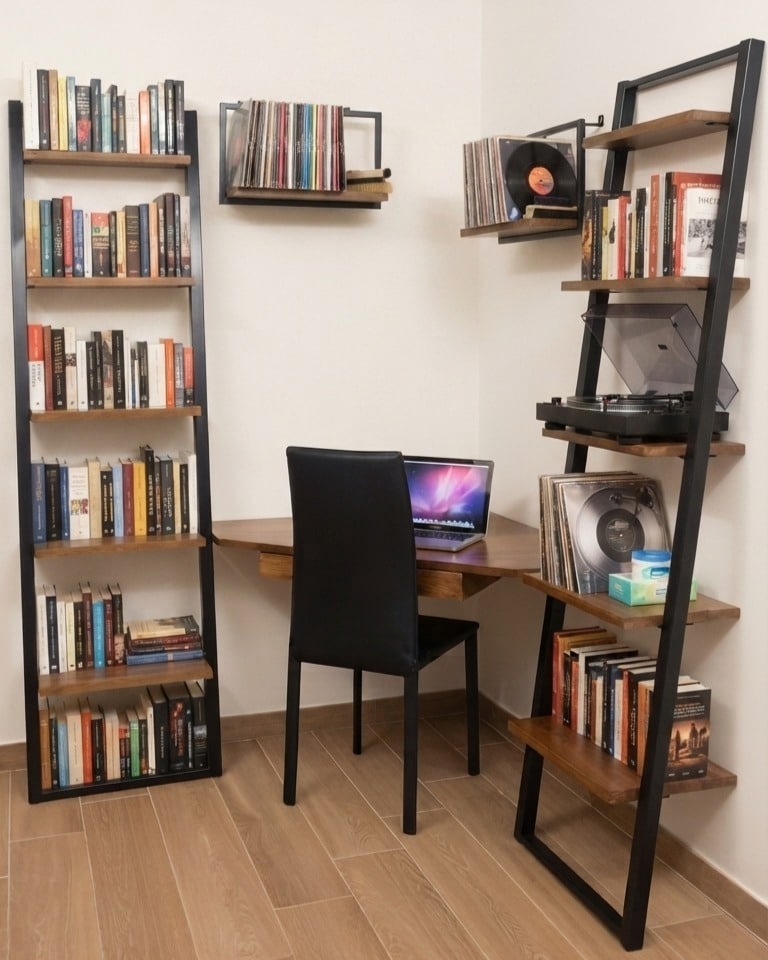
Awkward corners can become organized work zones. Fit in built-in shelves and a compact desk, then add vertical storage and good lighting. The result is a tidy, inviting spot that feels deliberate.
5. Storage Ottoman as Extra Seating
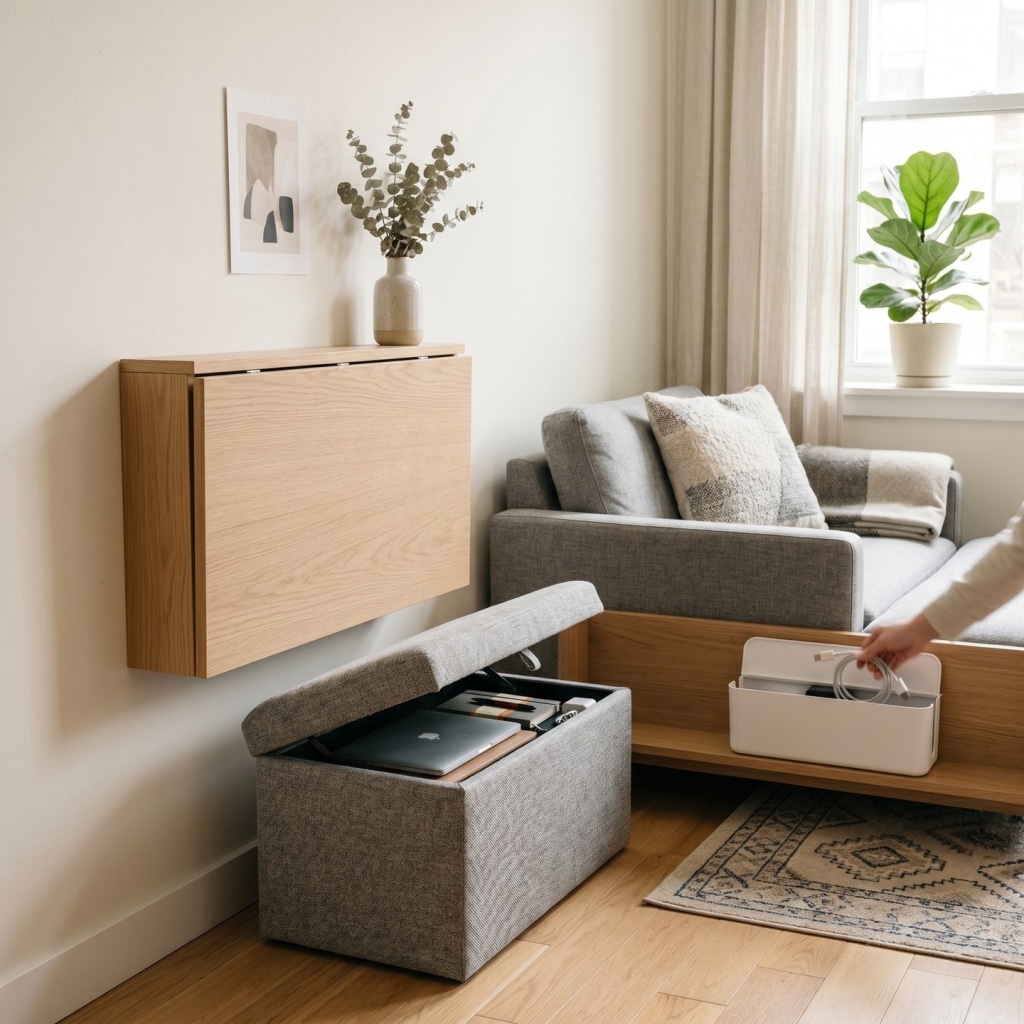
A lidded ottoman works as a footrest, a spare seat for visitors and a hidden bin all at once. Use the inside for files, spare stationery or tech accessories, and the top stays clean. Pick a firm top and a compact size so it fits beside the desk or under a window.
6. Add Hidden Storage Throughout the Room
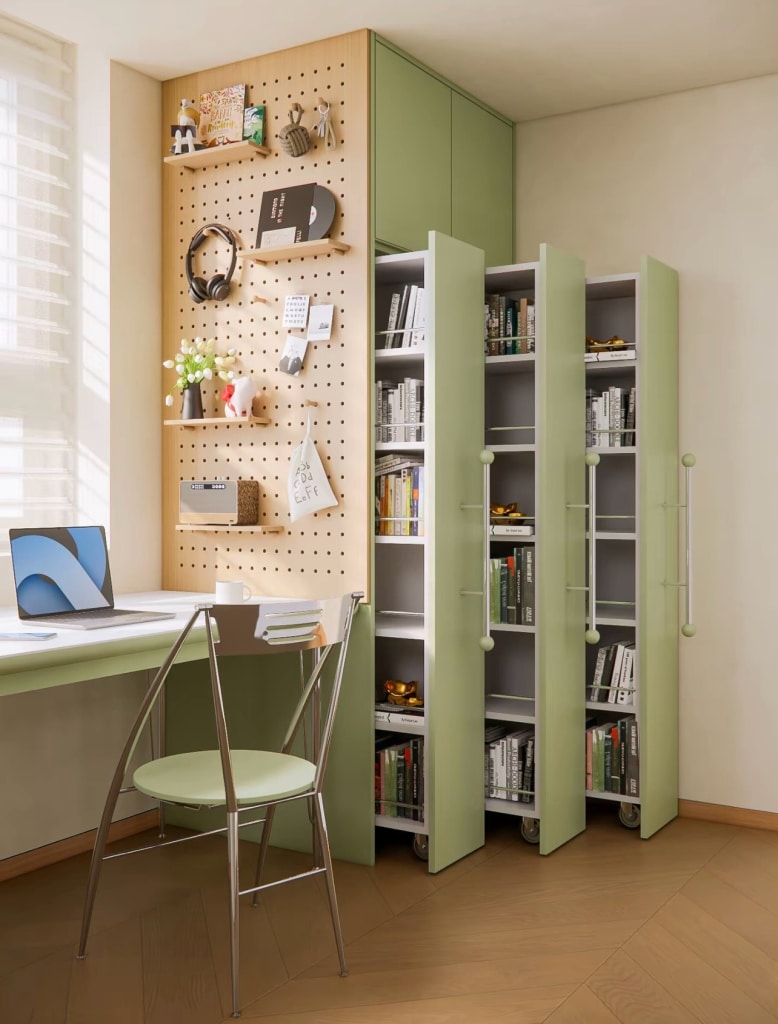
Want to hide clutter without making the room look messy? Use furniture drawers, wall panels, or space behind closet doors as secret compartments. Fold-away desks and built-in niches also keep the office neat while staying safe and stylish.
7. Create a DIY Pegboard for Tools and Inspiration
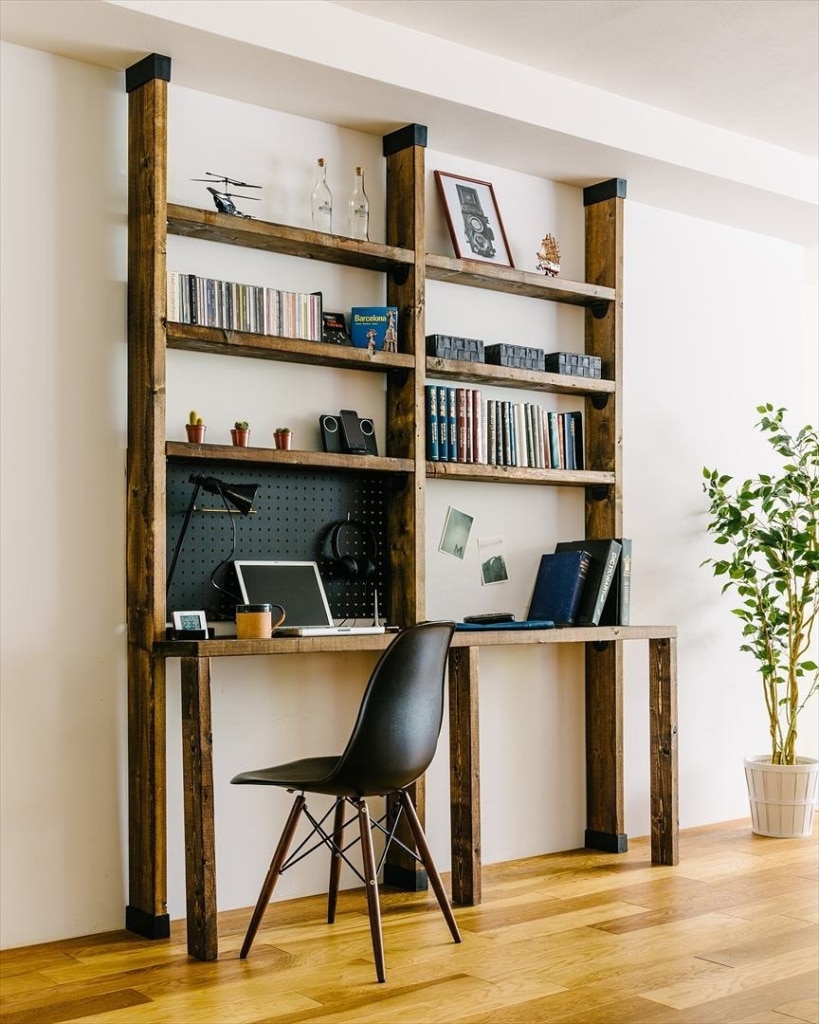
Plywood, old shutters, or even picture frames can become a pegboard. Mount it at eye level with screws or wall anchors, then add hooks, baskets, or clips. Paint it in a favorite color, and rearrange the layout whenever your projects change.
8. Divide Zones with Screens or Curtains
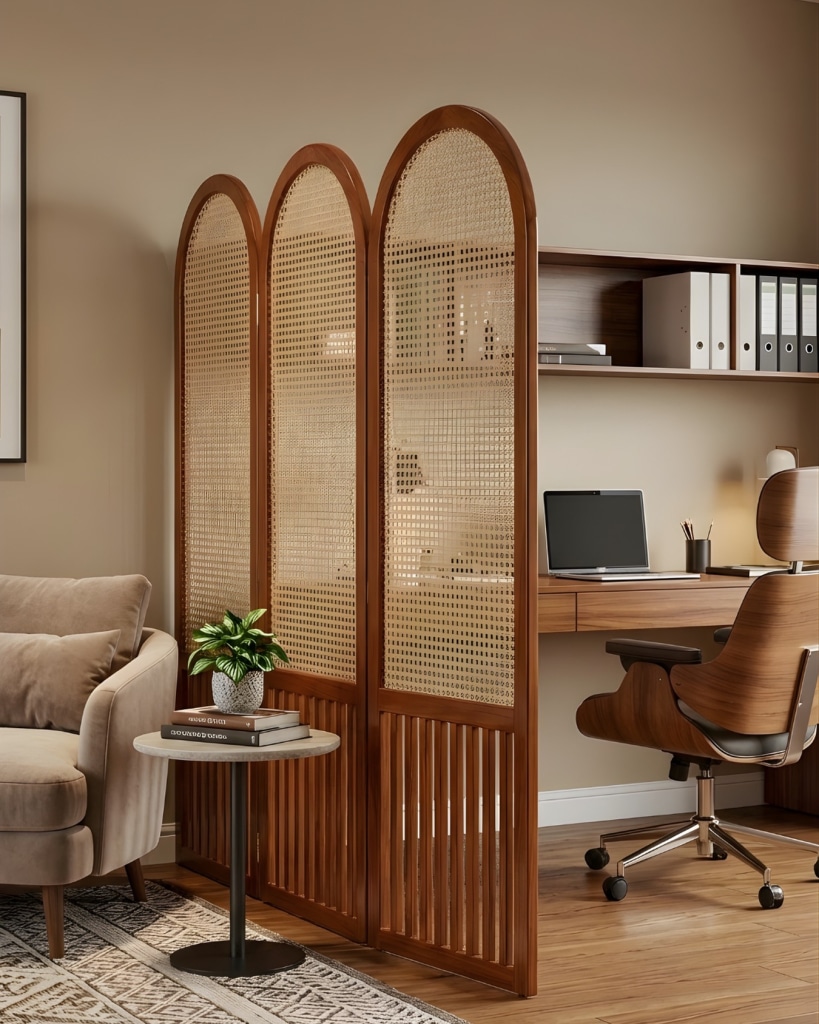
In an open or shared room, an affordable divider carves out a private work area. Light curtains or folding screens can hide your setup quickly, while fabric or paper panels add style and mark clear boundaries. They also cut noise, mess, and distraction.
9. Claim the Space Under Your Stairs
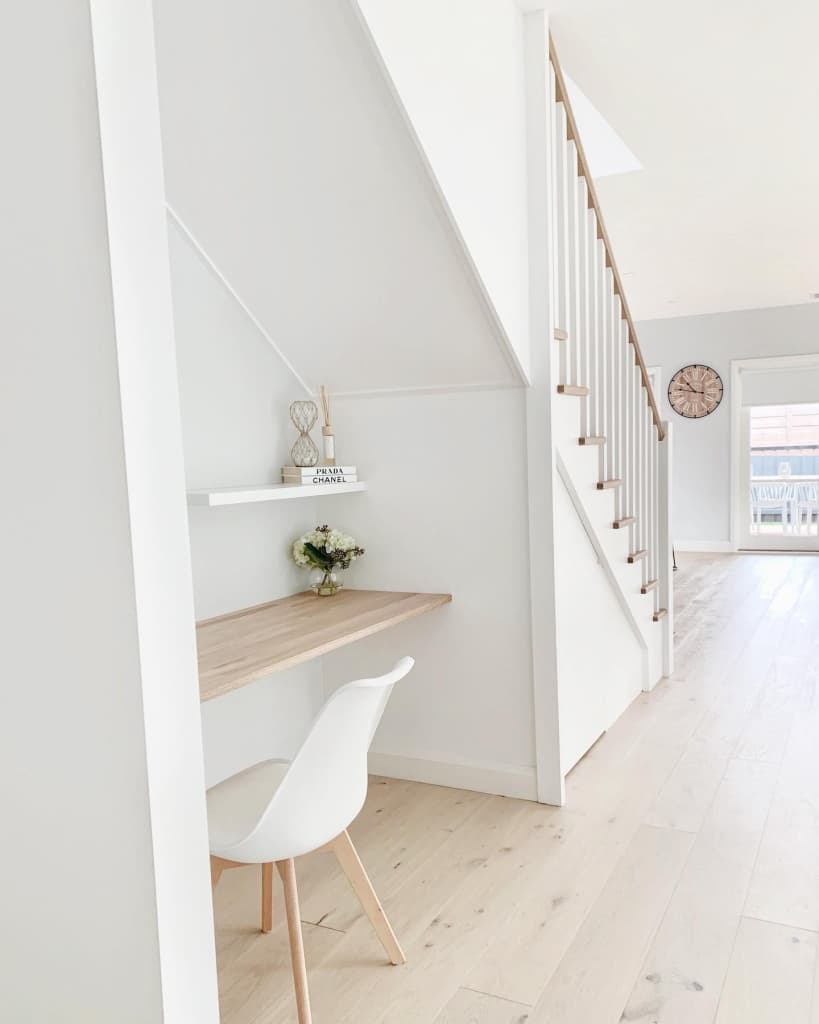
That dead zone beneath the staircase can become a snug office. Add a custom-built desk, wall shelves, and small cubbies, then brighten it with LED lighting. A fold-down desktop keeps the nook flexible and easy to enjoy.
10. Rolling Cart That Tucks Under the Desk
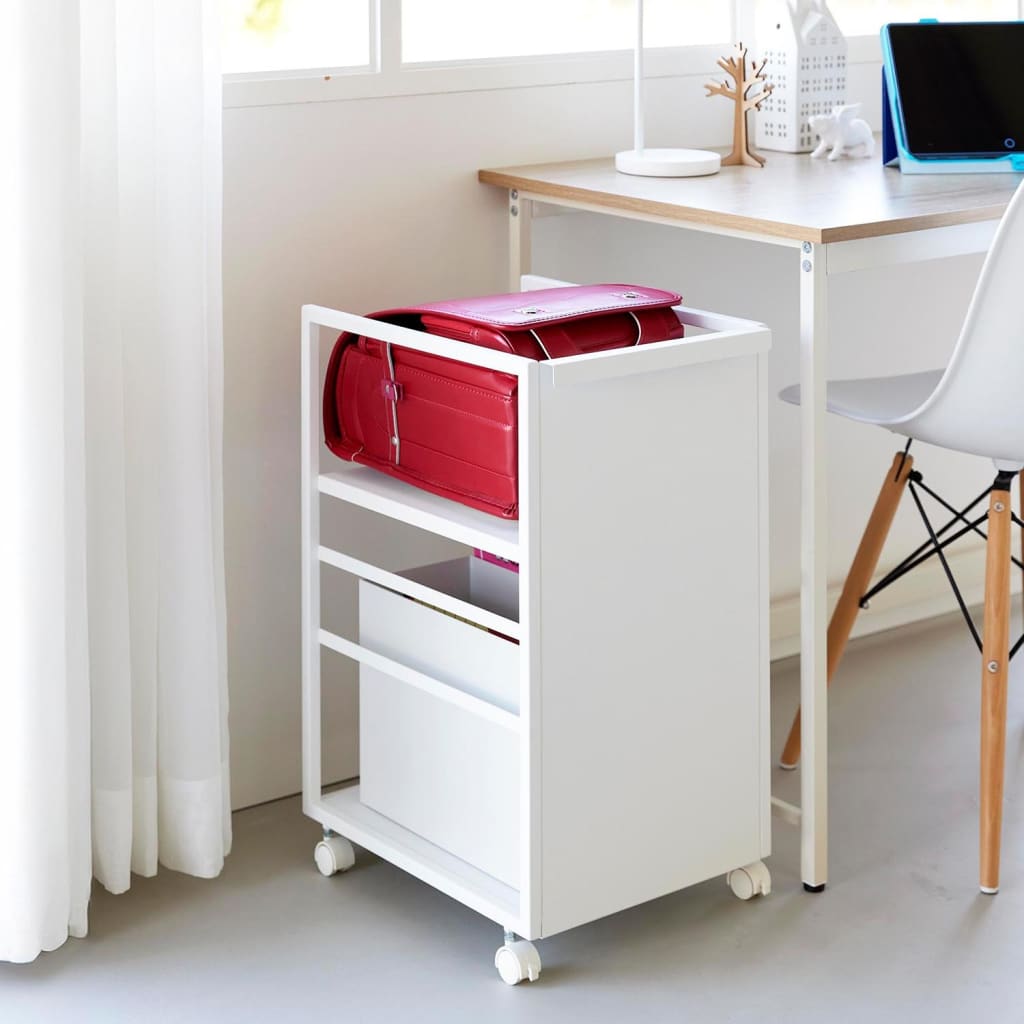
A slim rolling cart gives you drawers or tiers for paper, pens and chargers without using any wall space. Slide it under the desk when you’re done and pull it out when you need supplies. Choose a narrow model with locking wheels so it stays put while you work.
11. Repurpose Furniture to Pull Double Duty
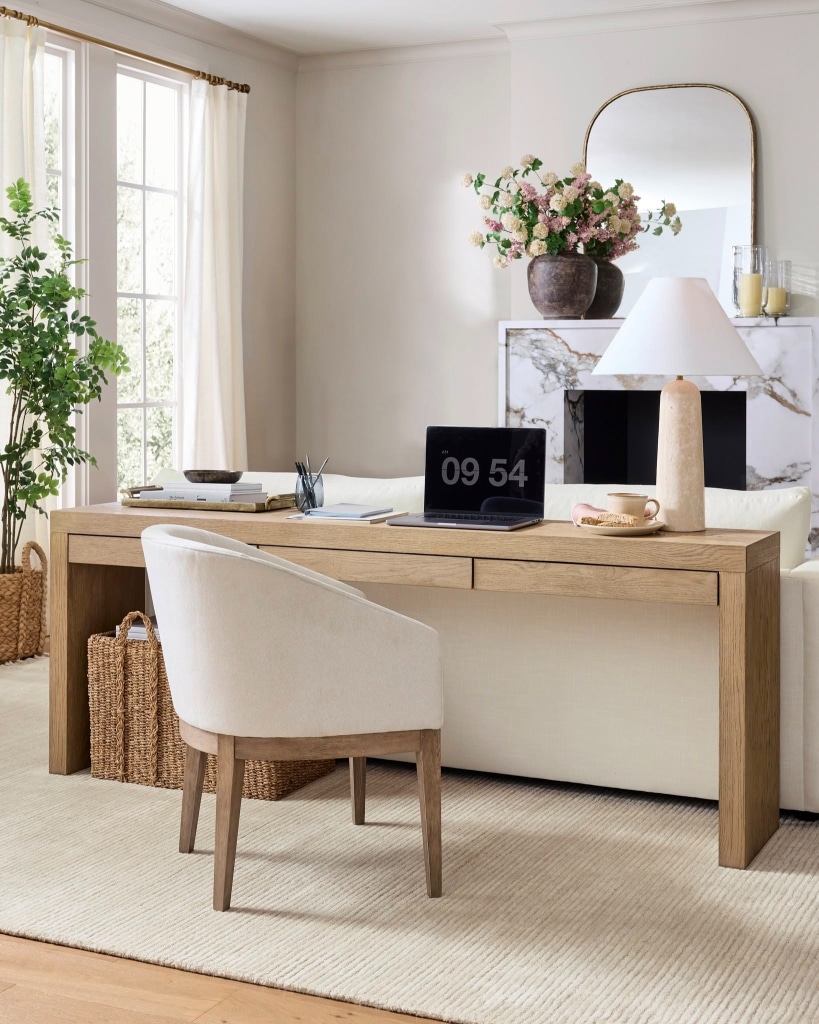
Dual-purpose pieces keep a small office practical and good-looking. A console table with built-in drawers doubles as desk and storage. A vintage suitcase works as a charming mobile filing cabinet that adds character without adding clutter.
12. Over-the-Door Organizer
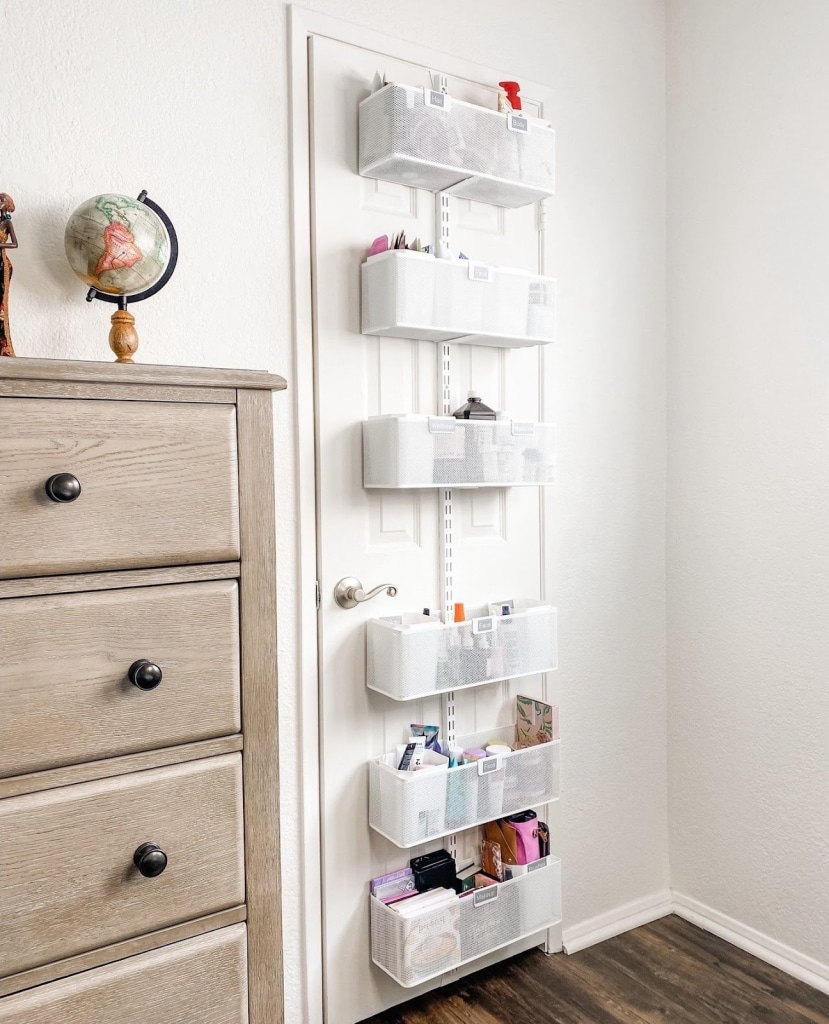
The back of a door is storage space that most small offices ignore. Hang a pocketed or hook-style organizer to hold folders, notebooks, cables and small tools. It adds plenty of capacity without taking up any floor or wall area.
13. Leaning Ladder Shelf
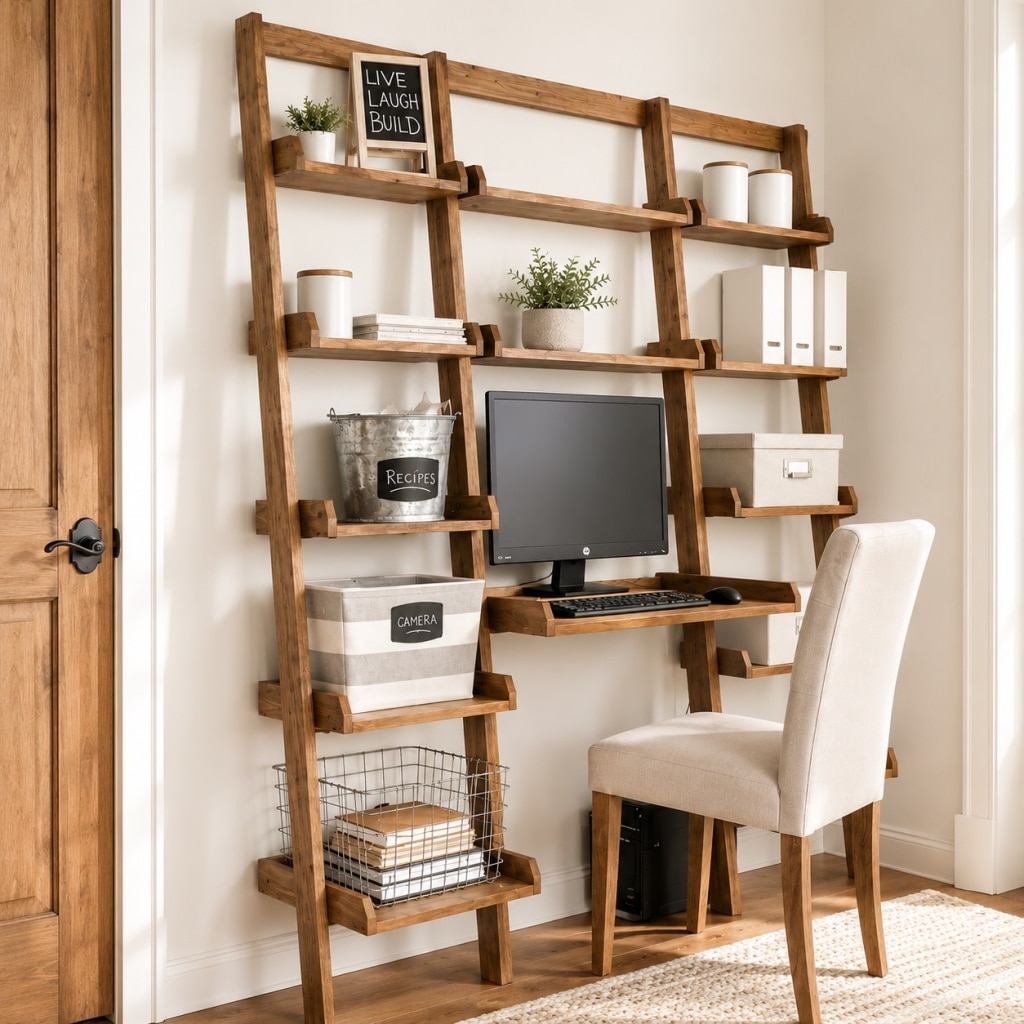
A leaning ladder shelf needs no drilling and uses height instead of floor space. The tiered steps hold books, baskets and binders, and its slim profile fits narrow corners. Keep the heaviest items on the lowest shelves for stability.
14. Monitor Riser With Built-In Storage
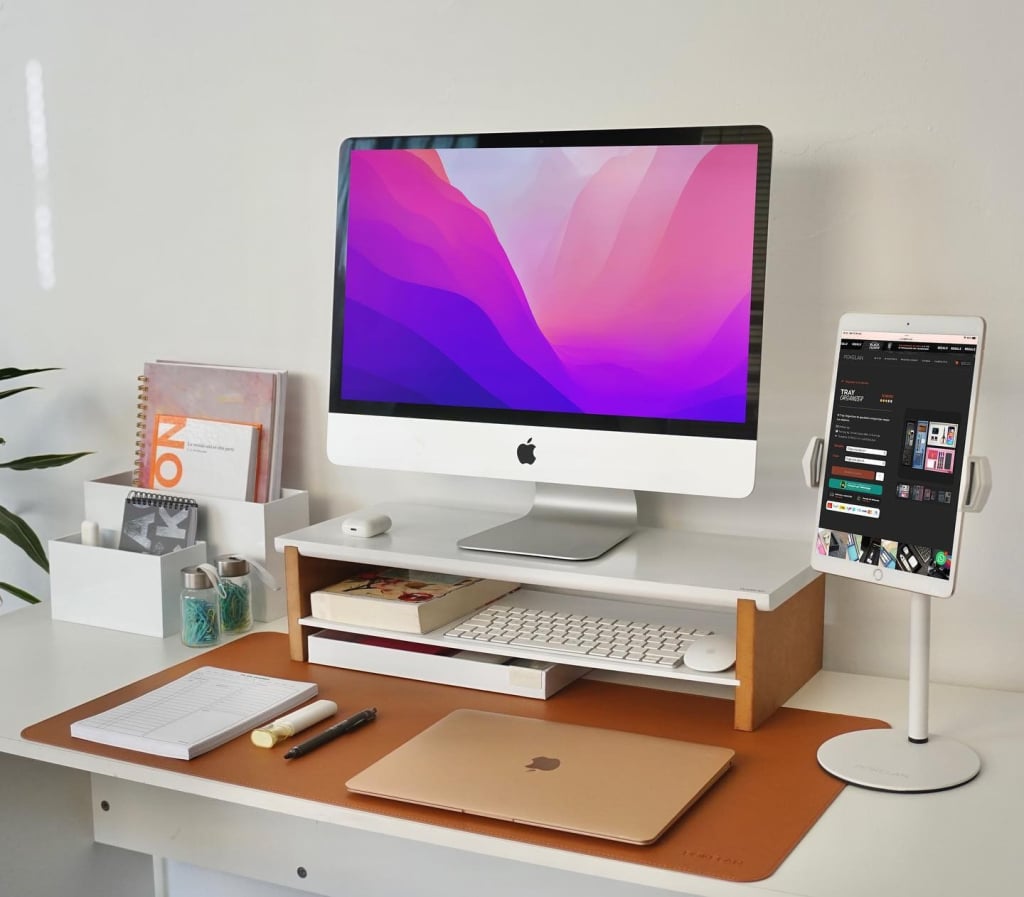
A sturdy monitor stand lifts your screen to eye level and creates a shelf or drawers underneath. Use the space below for notebooks, a keyboard or small supplies. It frees up desk surface without needing any extra furniture.
15. Corral Supplies with Magnetic Strips, Hooks, and Containers
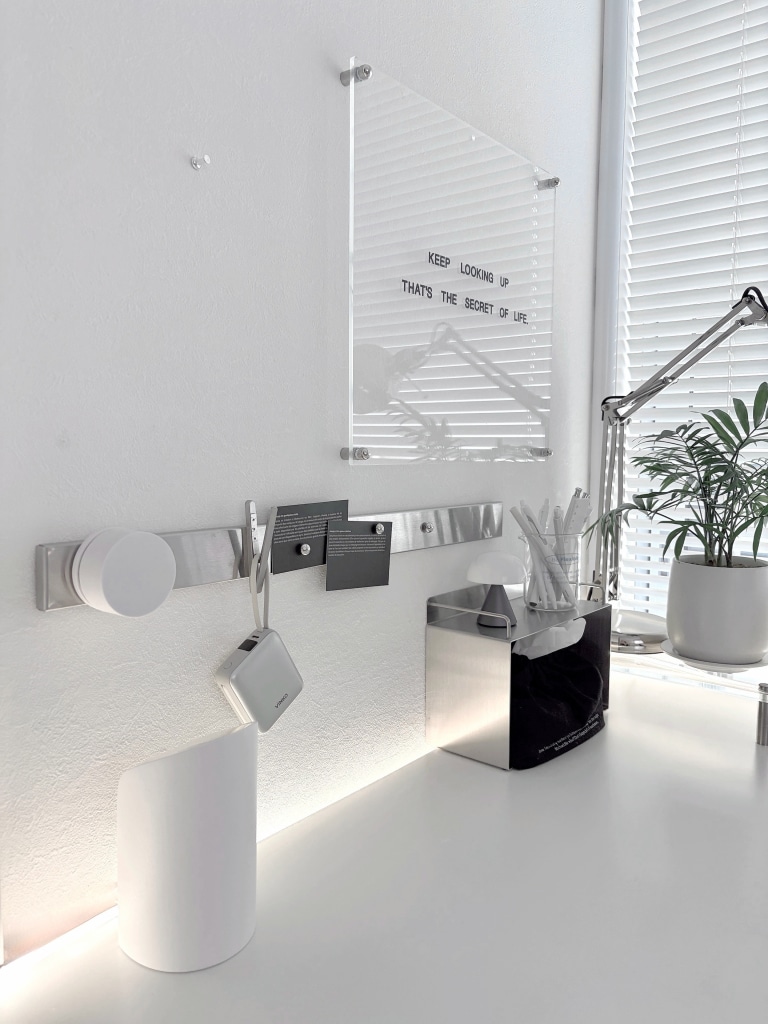
Small items like paperclips and push pins vanish easily in a tight room. Magnetic strips and mounted containers keep them visible and off your surfaces. Hang headphones on hooks, mount cups for pens, and use the wall to free up your desk.
16. Wall-Mounted File Pockets
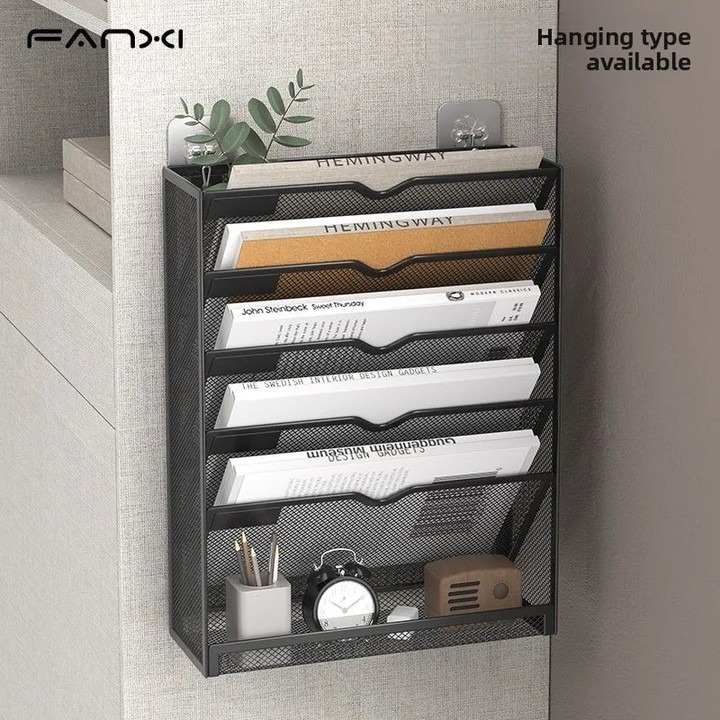
Slim file pockets hang on the wall and hold documents upright, so papers stay off your desk. Mount a row at eye level and label each pocket by project or category. They take up almost no depth, which makes them ideal for narrow rooms and tight corners.
17. Turn the Kitchen or Dining Area into an Office Station
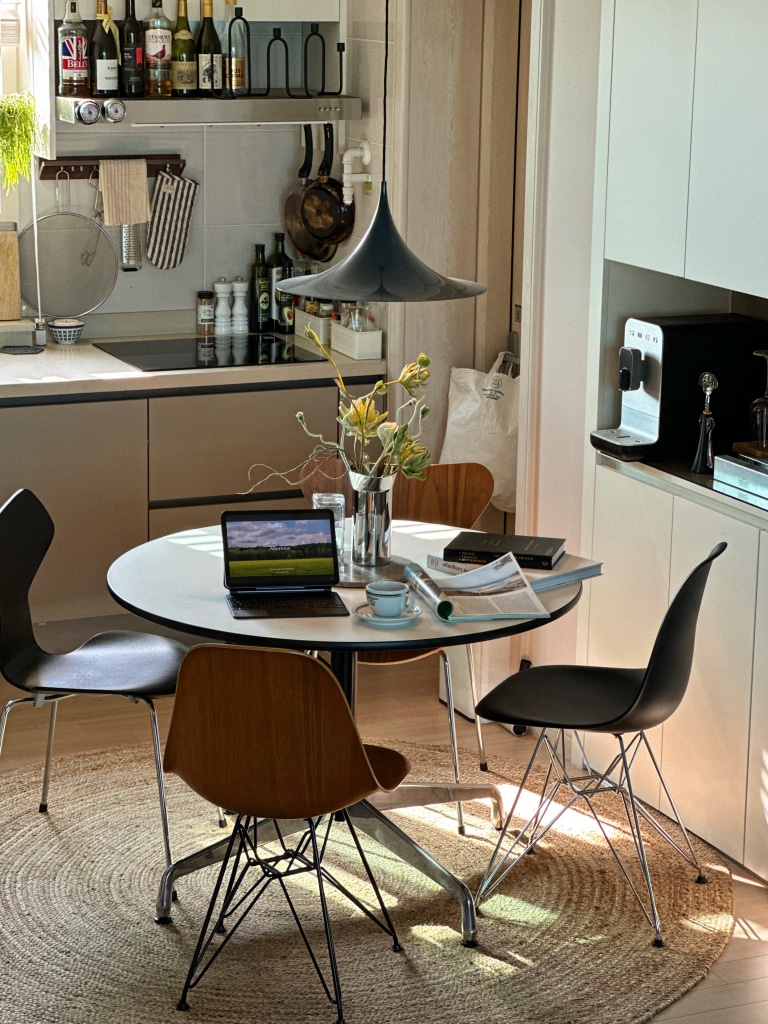
Skip the idea of replacing your dining table. Instead, keep it and pair it with slim, compact chairs that tuck fully under the tabletop, so the same table works for meals and for work. Mount shelves on the wall for supplies, add task lighting, and use cable clips to keep cords organized.
18. Carve Out a Quiet, Sound-Absorbing Corner
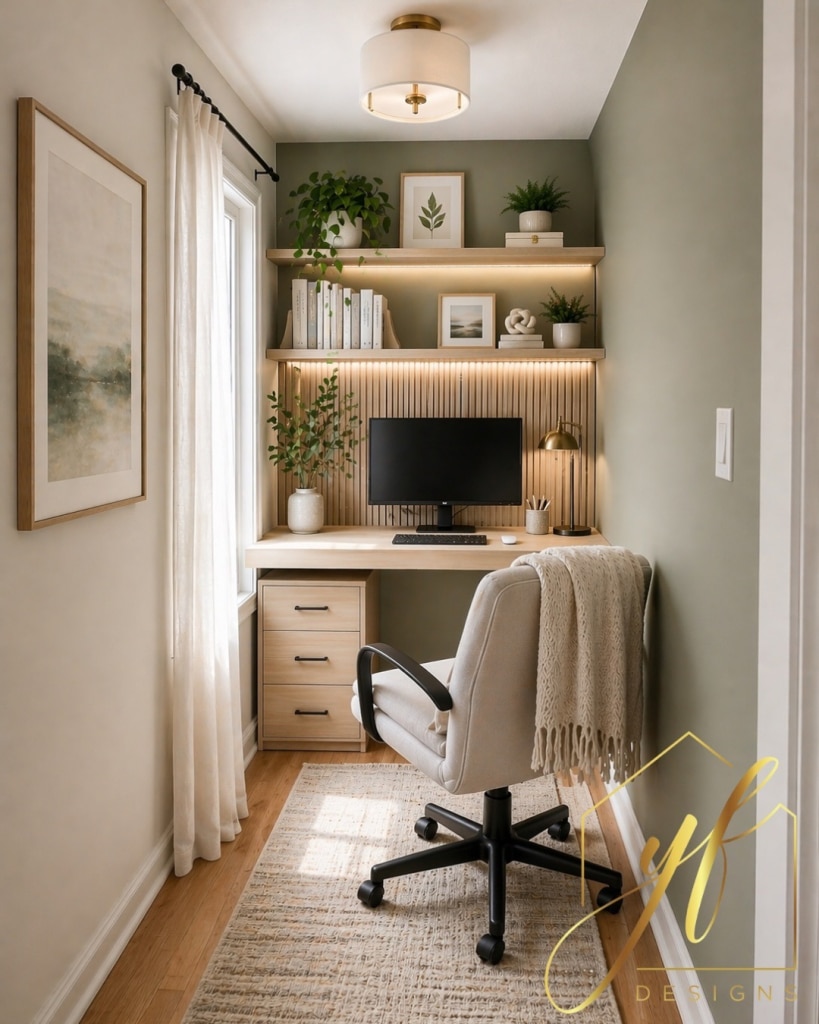
If noise distracts you, soften the echo with heavy curtains, textile wall hangings, or rugs. Foam mats or egg cartons can serve as budget acoustic panels. Bookshelves packed with books also work as sound barriers, giving you a quiet, cozy corner cheaply.
19. Install Under-Cabinet or Smart Lighting
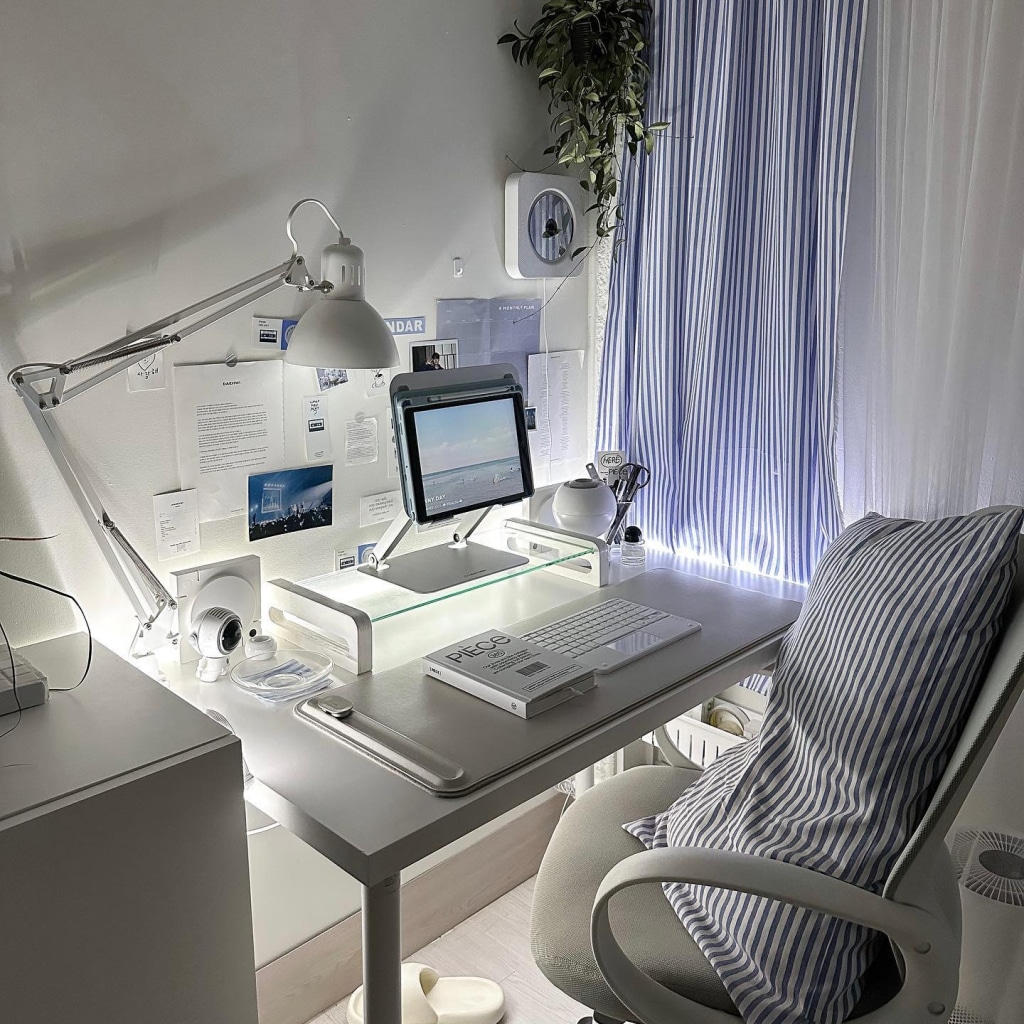
This upgrade usually takes under an hour and needs few tools. LED lights use less power and give off less heat, while smart systems let you adjust brightness from your phone or by voice. It’s safe, effective, and easy.
20. Keep Clutter Away with Weekly Organization Habits
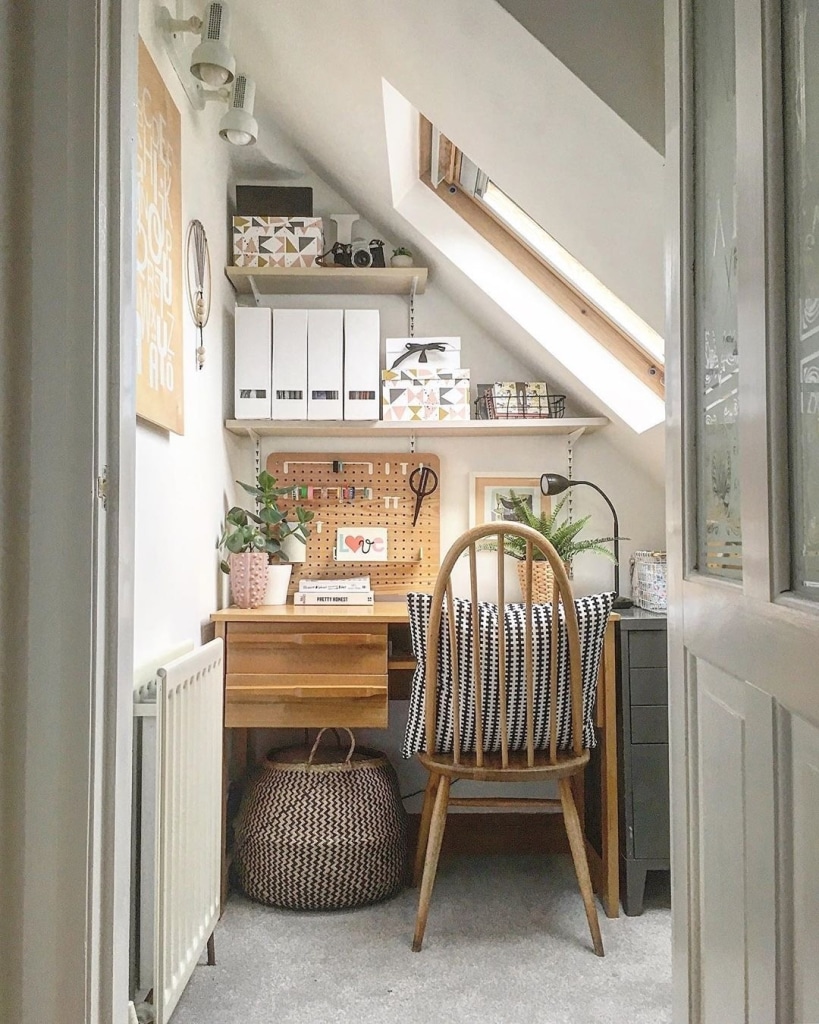
Small spaces get messy fast, so set a weekly routine. Clear your surfaces, remove what you don’t need, and sort your supplies into baskets. Review papers for recycling, wipe surfaces, tame cables with clips, and add wall organizers. Small steps add up.
Final Thoughts
A tiny corner or awkward nook can become a handy, comfortable workspace with modest effort and no special tools. Picture a floating shelf or fold-down desk opening up your floor, or a few plants lifting your mood. Pick one idea to try this week, and make your small office work for you.


No Comments